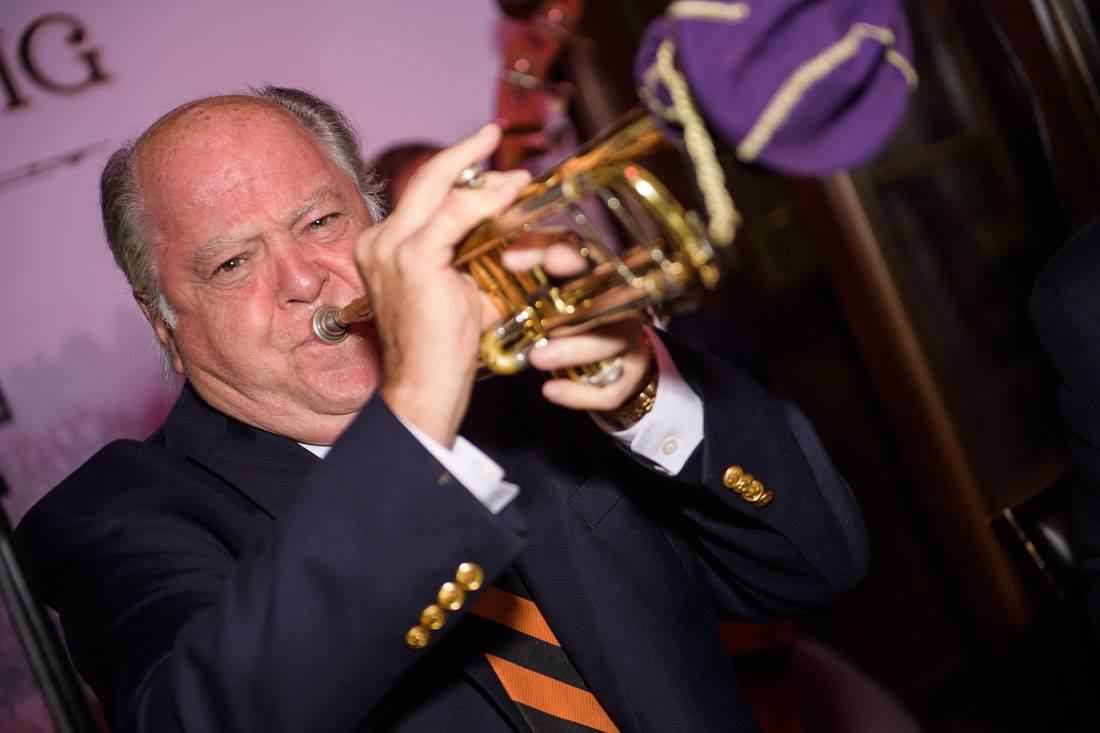
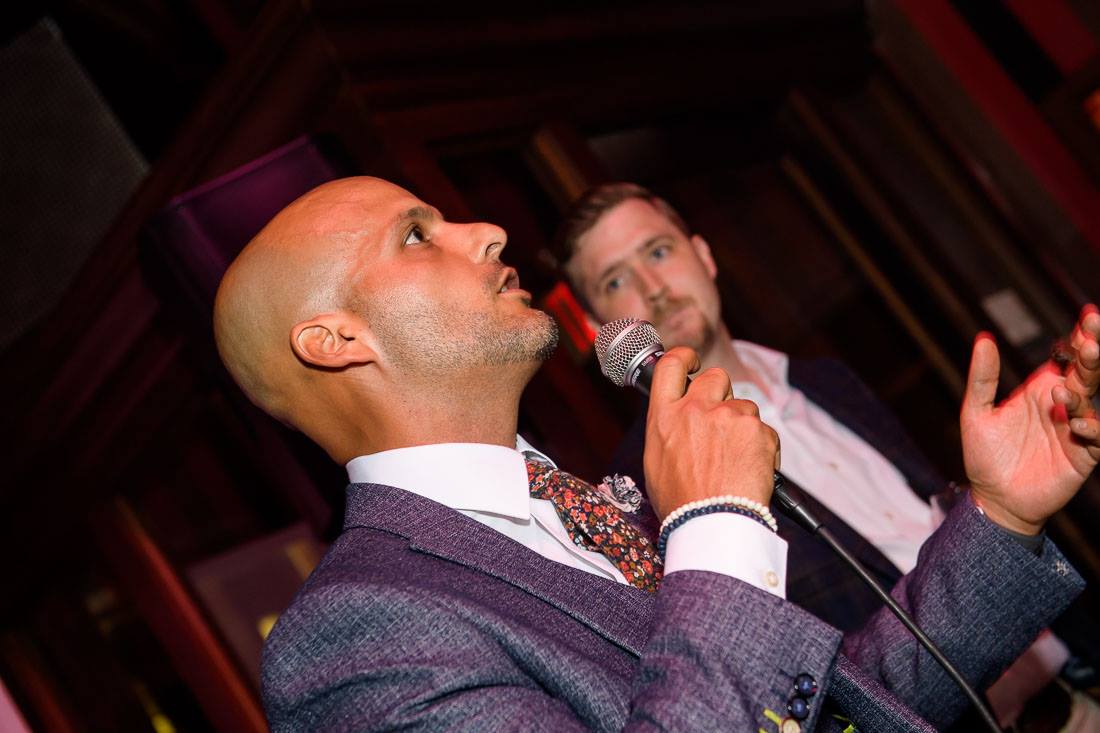
Eddy Guerra, Sr. Brand Manager at Altadis USA, introduces Aging Room Quattro Nicaragua to a New York crowd.
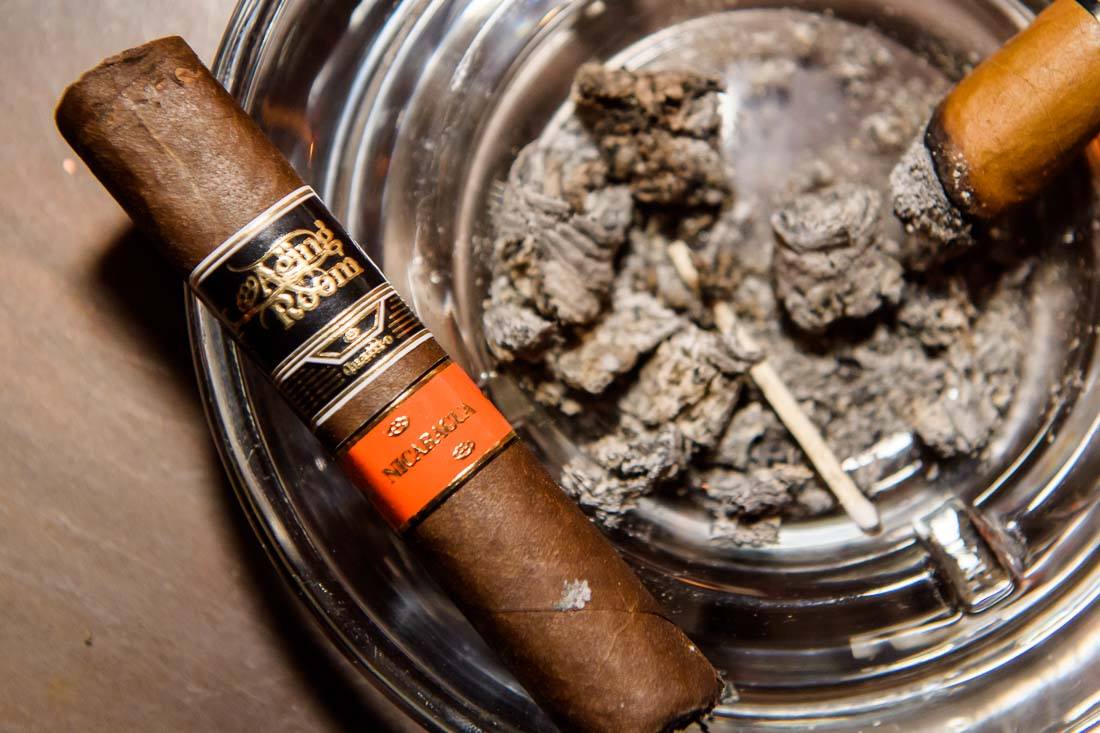
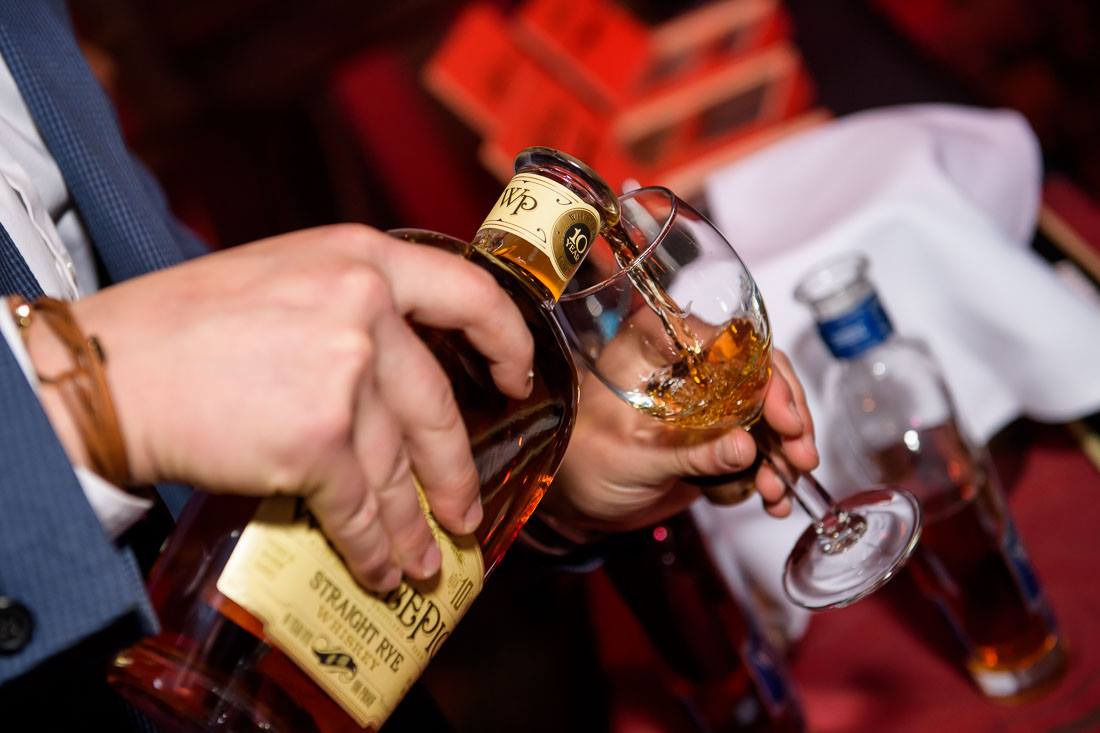
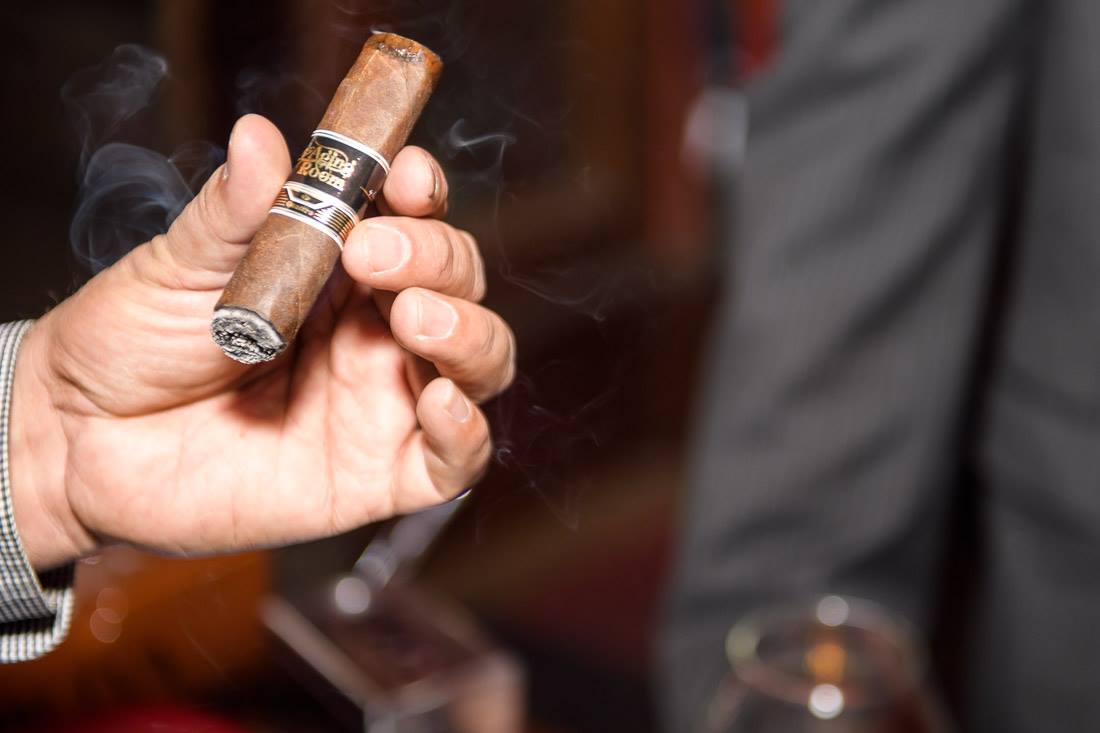
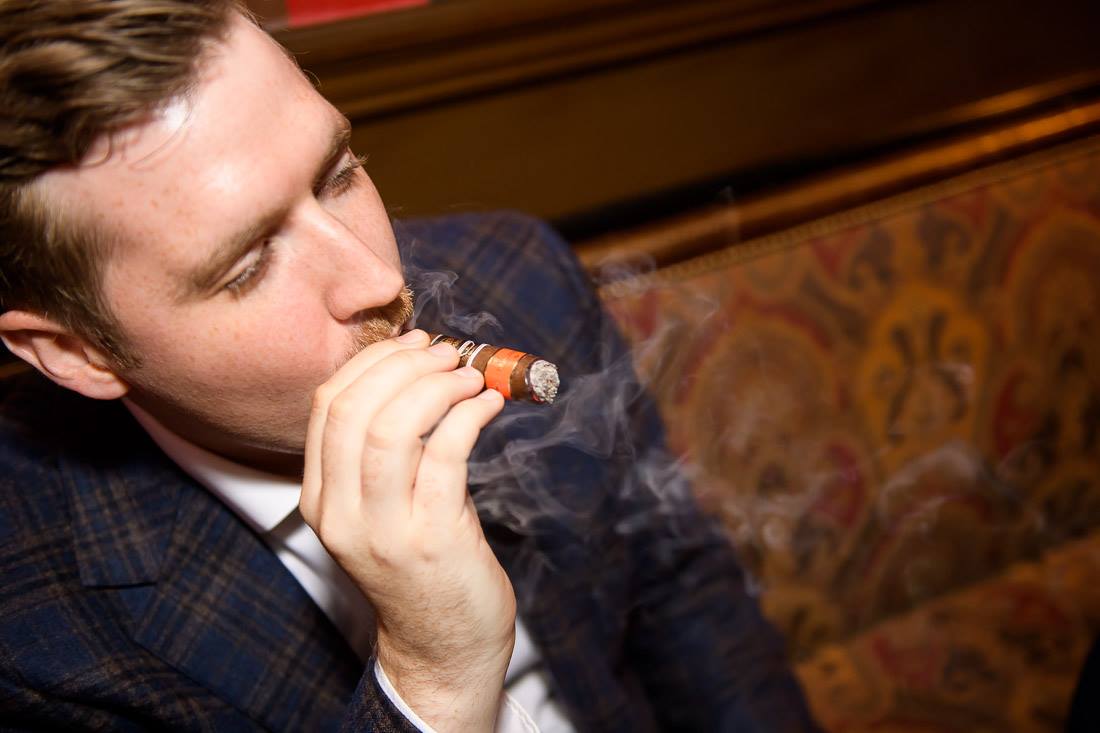
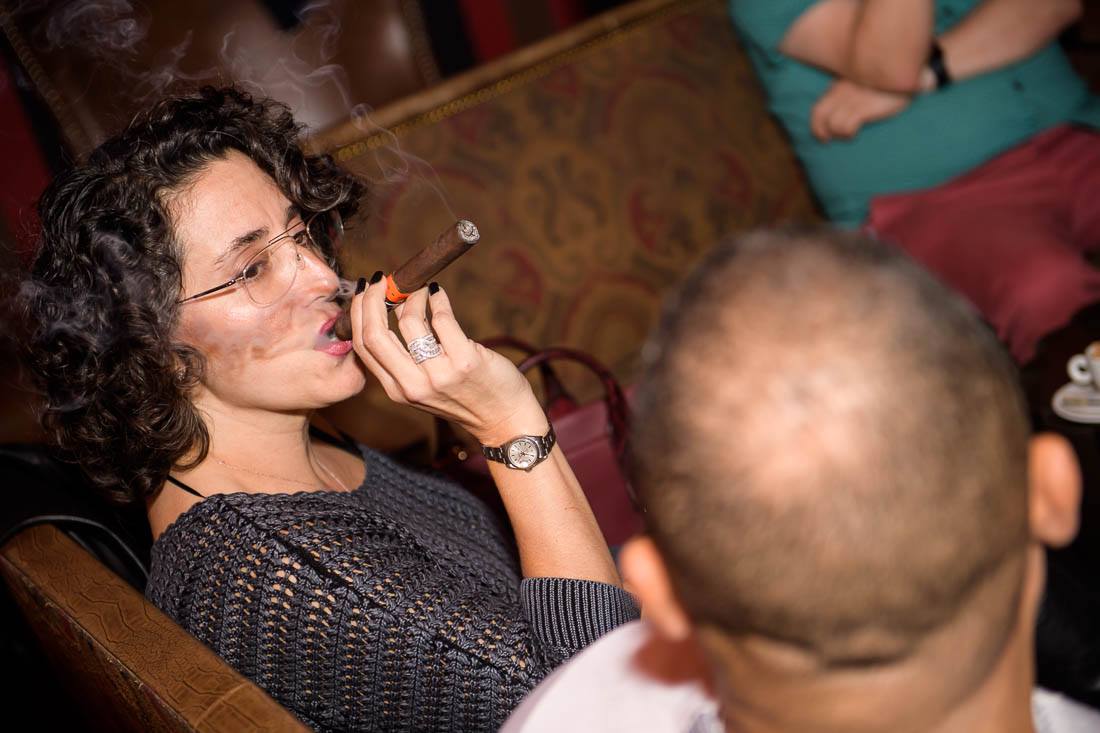
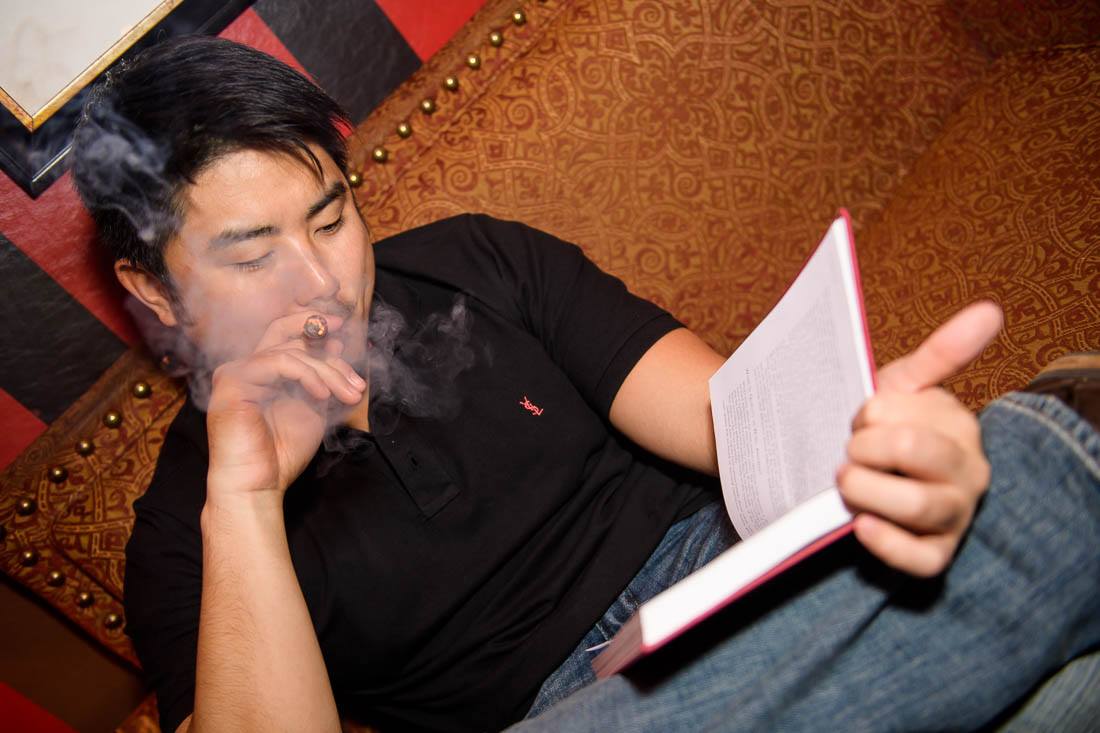
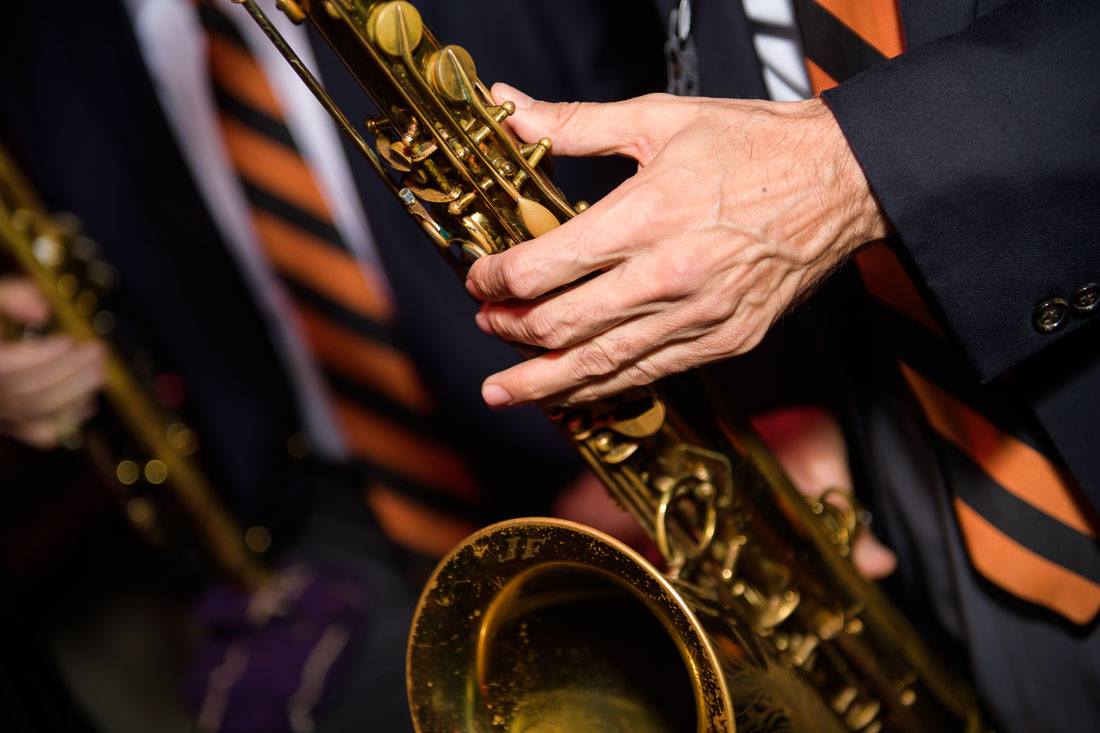
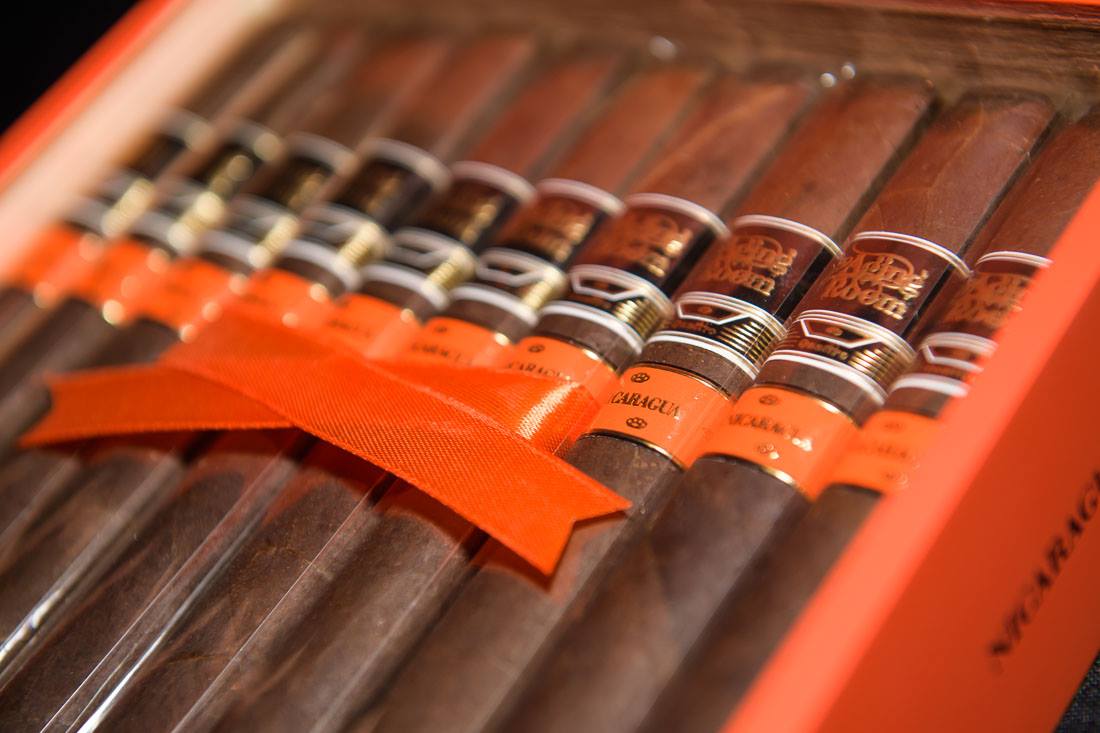
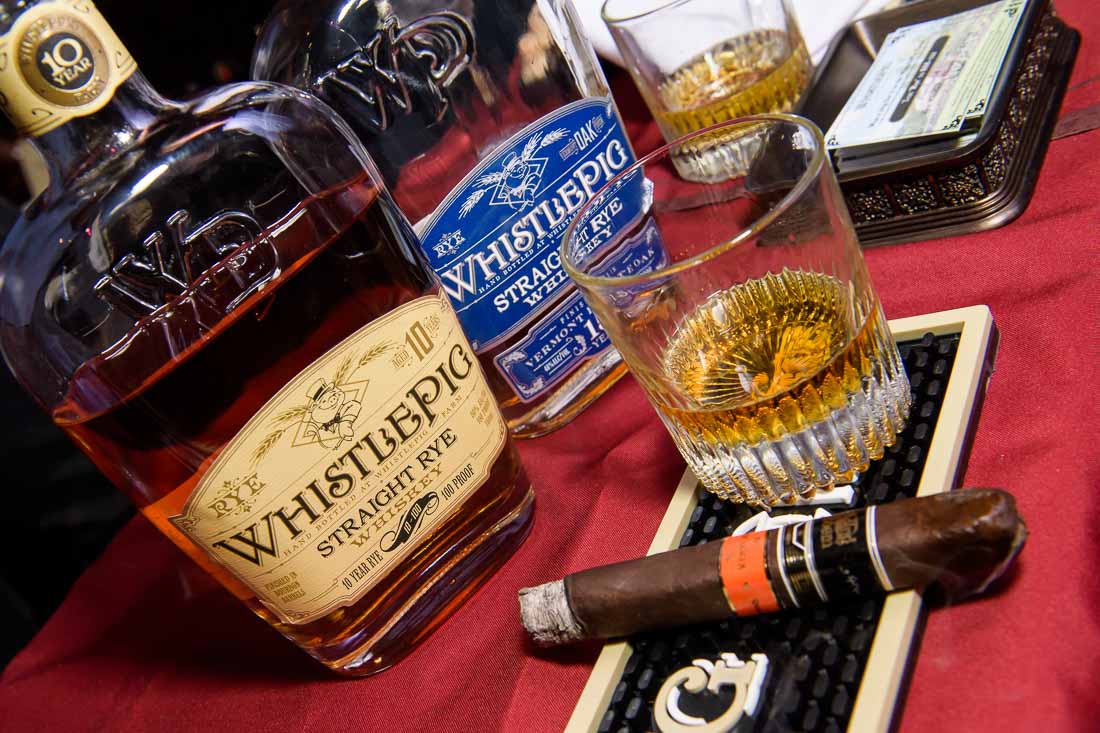
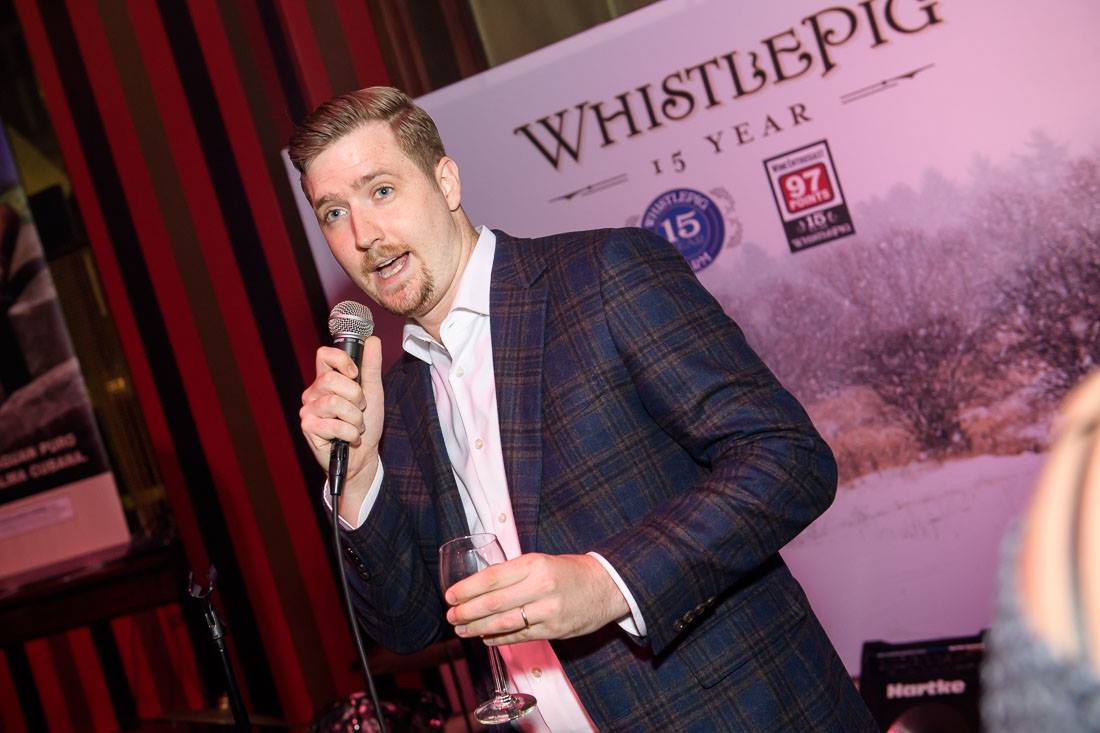
On Thursday, September 27th, 80+ NYC cigar and whiskey enthusiasts converged on The Carnegie Club for the New York launch of the Aging Room Quattro Nicaragua, the newest extension in Aging Room’s expanding lineup. The Aging Room Quattro Nicaragua is all Nicaraguan and produced at A.J. Fernandez’s factory in Nicaragua. Our spirits pairing for the evening featured two standout ryes from WhistlePig: WhistlePig 10 Year Old and WhistlePig 15 Year Vermont Oak Estate Rye.
Both the cigars and whiskies received positive receptions. A big thank you to everyone who came out for the event, and to The Carnegie Club for graciously hosting! Photos below, courtesy of John DeMato.
Join us at our next event featuring Oliva Cigars & Port Charlotte Scotch at The Carnegie Club. Click here for more info.
McClelland Tobacco, one of the most legendary names in pipe tobacco, is closing its doors after more than forty years in business. The company, which created some of the most popular pipe tobaccos in the world (Dark Star, Personal Reserve: Blackwoods Flake, Christmas Cheer, and Turkish Ribbon, to name a few), cited policy and regulatory changes as the dominant driver behind the company’s closure.
This is a huge blow to pipe lovers everywhere.
Mike and Mary McNiel, owners of McClelland, wrote the below letter to friends and customers on February 28th, 2018:
The McClelland Tobacco Company is closing after 40 years. We want to thank all the retailers and pipe smokers for their support and efforts to spread their appreciation of our pipe tobaccos, taking us from a very modest beginning in Grandpa McClelland’s basement in the Fall of 1977 to a company with a worldwide reputation for quality.
We have made our pipe tobaccos – Virginias, Oriental Mixtures, Aromatics, etc. – from the highest grades of leaf and strip tobaccos because of their basic richness and natural sweetness. That has been the beauty of McClelland and that is now the problem. We can no longer access tobacco of the quality we need. The time-honored, labor intensive processes at the farm are disappearing. The aging of leaf over several summers to mellow in “sweats” is largely a thing of the past. We need “old school” methods at every stage before manufacturing to make it possible for McClelland to draw from the leaf the flavors that have been our hallmark. Without the supportive infrastructure our government used to provide, a small company such as ours cannot continue. We might have limped along with lesser leaf but nobody would have been happy with the resulting products and we would have been ashamed of them.
We have sold down all the inventory that we have been able to produce with the finest leaf. We want to thank you, our customers, and thank our great employees/friends who have been so capable and conscientious and thank our leaf suppliers who have made extraordinary effort to search out the finest leaf possible for us for 40 years. We will miss McClelland and our daily contacts with our friends in the pipe community. We feel privileged to have been part of this wonderful world of the pipe for so long. The finest people we know have been and are pipe and tobacco people, and we hope to keep up our contacts as we move on to the next phase of life.
Spending a week in Havana with all the that there is to appreciate and explore is easy to do. Since I was only staying for a few days however I needed to make them count. With my driver and translator with me I set out to the Pinar del Rio region of Cuba to visit local tobacco farms with my main stop being the renowned Robaina Tobacco Farm. Alejandro Robaina was a famed tobacco grower who’s tobacco was so prized that in 1997 he was awarded a brand named in his honor called “Vegas Robaina”. Sadly Alejandro Robaina passed away in 2009 although his grandson Hiroshi continues with his growing tradition and legacy. If you’ve never smoked a Vegas Robaina cigar you should as they can be wonderful however do not think you are smoking a cigar directly from the Robaina Farm. This NOT a single estate cigar. It is merely a blend from many farms created to have a distinct flavor profile for the brand “Vegas Robaina”. This was another reason I was really looking forward to visiting and possibly having the chance to smoke a Finca or “Farm” cigar from the actual Estate.
As you drive up the dirt road to the farm you see a large overhanging sign with the words “Alajandro Robaina 1845” clearly noting the farms history.
Upon entering we were greeted by a guide who explained the history of the farm and Alejandro Robaina’s legacy. As we walked we were shown the acres of tobacco growing in the field as well as a special plot of seeds beginning to grow. We were told this plot was for something they were still unsure of how it was going to be used or quite possibly they didn’t want to tell us.
After seeing the tobacco as it was growing our next stop was the curing barn where tobacco is dried and cured after it is harvested. The tobacco is hung from the barn as seen below.
If you have never visited a tobacco farm before seeing the process firsthand gives you an appreciation of the time and care involved in creating this craft product. Our guide highlighted pictures of the various stages of the tobacco process and the journey it takes from seed to cigar.
As part of the tour a cigar roller was in the barn rolling a fresh cigar. I was fortunate enough to be the one who was gifted the smoke as it came off the table. As I stated earlier the brand Vegas Robaina is a blend from various tobacco farms used to create the flavor characteristic of the name brand. The cigar I was given was probably the truest expression of a cigar from Alejandro’s farm and his tobacco.
Wrapped in newspaper to aid in drying the fresh tobacco before smoking, a true Robaina cigar:
Next we were taken to the dining area where events are held and an homage to Alejandro is purposefully represented.
The last stop was the famous rocking chair where Alejandro Robaina was said to sit and smoke. I can only imagine the decades of contemplation and reverence that was put into each harvest day after day year after year. As I headed off in the early afternoon to my next adventure I left feeling a newfound appreciation for the cigar making process as well as how respected Alejandro was in his homeland and the world.
Ah, the mystical Island of Cuba. For the U.S. it’s the forbidden country that secured the embargo on September 7th 1962 when John Fitzgerald Kennedy re-instated the Trading With The Enemy act of 1917. Since then U.S. citizens have only be able to travel to Cuba for very strict diplomatic or humanitarian reasons and return with no goods from the country… until now. Last year President Obama repealed the travel ban on Cuba creating more broad allowances for U.S. citizens to travel there. Better still the former president lifted restrictions on bringing back goods from Cuba to the United States. For beloved cigar smokers this was fantastic news. Having traveled around the world smoking Cuban cigars, finally being able to visit the country and farms where the famed tobacco is grown is a cigar aficionados dream come true. In this first report I will touch upon the ease of travel to Cuba and the state of cigars I found in Havana. Also included is a list of the best places to purchase cigars and where I found some older vintages lying around.
Travel: Traveling to Cuba was as easy as booking a flight with Delta straight to Havana. You can pay with your credit card through Delta however you can’t use any U.S. credit cards when you are in Cuba. Cuba is strictly cash for Americans and you can exchange U.S. dollars for Cuba’s CUC’s at the airport or any bank in Havana. Be aware that U.S. dollar incurs a 10% transfer fee when exchanging to CUC’s. You will also need a travel visa along with one of the twelve reasons you are traveling to Cuba. Most visitors will fall under the “People To People Educational Act” so long as you visit a cigar factory, farm, rum distillery or art museum. Touring a cigar farm, a rum distillery or viewing art is a pleasure in Cuba and the culture is what you are looking for. You will need to purchase a travel visa as well as book a hotel in advance. I suggest using a third party travel site which takes care of all those things for you. You can pay in advance which leaves you only having to bring money to spend on your trip. I recommend the Educational Adventures Company as they were excellent in making those arrangements as well as getting you into any factories or farm tours. They will also set you up with a translator and driver if you desire. The prices were very reasonable and their service fantastic. http://www.theeducationaladventurescompany.com/ If you wish to book on your own you need to contact the U.S. Office of Treasury and request a visa for purchase. In booking a hotel you would need to book online.
Havana:
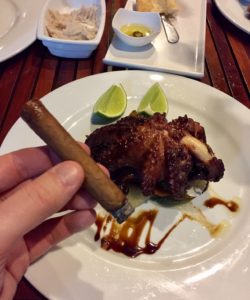
Arriving in Havana I grabbed my taxi and headed to the Casa Particulares I was staying at. The first order of business was to relax on their rooftop have a mojito and view the city as a whole during the early afternoon. Havana is as you see it in pictures; a run down third world country with half built structures, renovated 50’s American classic cars and beautiful French/Spanish architecture from the days when those countries ruled the island. The people are friendly and eager to please in what is now a boom in American tourism. In speaking with the Casa owner he said since Obama repealed travel restrictions they saw a rise in visitors from the U.S. to a million last year and near two million this year. The fear the Cubans have is keeping up with the demand. Before hitting the Casa Del Habanos which are the authorized Cuban cigar dealers and the ONLY place you should be buying cigars, I hit a Paladar which is a restaurant run by the locals and not the government. Stay away from any government run establishments as the food and service are mediocre at best. I had some of the best octopus of my life at a local Paladar and was handed a cigar to smoke with my meal. This was a local farm cigar and the flavors of earth and fresh tobacco where present. It was more of a one dimensional smoke but the earthiness hit the spot with the perfectly cooked slightly smoked octopus.
Smoked octopus with semi sweet glaze:
Cigars:
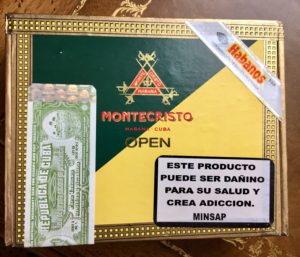
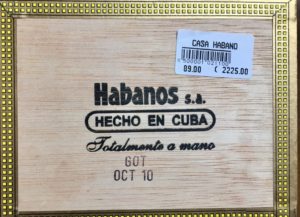
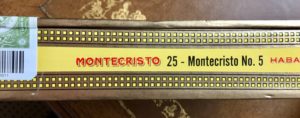
With some hearty fare and a cigar to match it was time to hit the La Casa del Habano. As I said before these are the only official stores that carry authentic Cuban brands. In Havana you will be solicited to buy Cuban cigars on the street for an even cheaper price than the stores. Do not do this unless you want to smoke fakes. If someone tells you their brother’s cousins friend works at the Partagas Factory and gets cigars from there they are lying. At best you’ll get a cigar blended with fresh farm tobacco which will taste nothing like the brands you know. At worst it can be short filler or scraps from a rolling table floor. Don’t waste your money or time on these “faux” sticks. Go to the the La Casa’s and spend your money on an authentic selection of smokes as these will be the best prices you’ve seen as a consumer anywhere in the world. My advice is to flip over boxes and dig deep into their inventory. You may find some boxes with several years of age on them and it is worth the hunt. The proprietors do not mind you rummaging through their stock and will often help you. I was fortunate enough to find boxes with as much as seven years of age on them.
A box of Montecristo Open Juniors from ’10
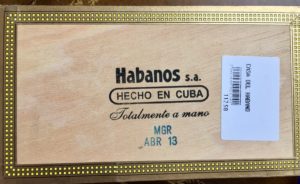
Montecristo #5’s from ’13
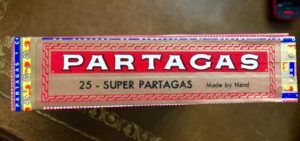
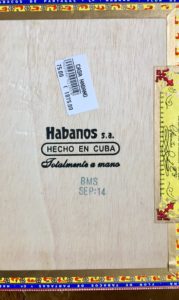
Partgas Super Partagas from ’14
They were fully stocked with most brands from 2016 although there were no Cohiba Behikes or Esplendidos to be found at the places I looked. I stayed away from most 2016 vintages as the past crops in Cuba haven’t been great. I did pick up some boxes of ’16 Trinidad Reyes and current Vegueros Tapados which smoked well despite being young and will most certainty benefit from age. I feel the 2016 vintages are hit or miss from what I’ve smoked so be cautious or pick up single sticks to sample yourself. Most La Casa del Habanos carry single sticks although the selections vary. Below is a list of three La Casa del Habanos you should definitely visit.
La Casa del Habano
5th and 16 Av. 5 y Calle 16, Miramar
This is where I found the oldest vintages of Cuban cigars and the staff were most helpful.
2. La Casa del Habano, Club Habana
Av. 5, entre 188 y 192, Miramar, Playa
The place to enjoy a custom rolled “Monsdale” cigar which was created by the late Enrique Mons. It’s a thicker lonsdale with a pigtail cap. Flavors of caramel, butterscotch and toast in this unique blend.
3. La Casa del Habano, Hotel Habana Libre
Calle L entre 23 y 25, Vedado
The largest selection of boxes of cigars in all sizes. If you enjoy the hunt this is the spot for you.
End of Day One:
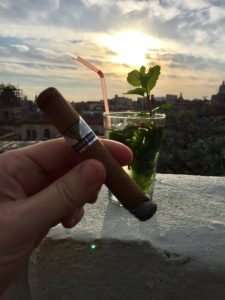
Loaded with cigars and satiated from delicious Cuban fare it was time to watch the sunset with a mojito and cigar reflecting on the first day in Havana. In Part Two I travel to the tobacco fields and the famed Robaina Farm. Stay Tuned!
A while back I was fortunate enough to score a bottle of Dave Phinney’s “Slaughterhouse” Whiskey. Dave Phinney as you may or may not know is the famed vintner who created “The Prisoner” an Über California wine blend. He then sold the company and now makes acclaimed wines from virtually all the major wine producing countries in the world under his Orin Swift label. Last year he decided to turn his taste for wine into sourced whiskeys. Straight Edge was Dave’s first leap into the whiskey world and his skill in crafting wine doesn’t miss a beat when putting together these whiskeys. Straight Edge is hard to come by and I was lucky to grab a bottle for this review.
Straight Edge much like all of Phinney’s creations catches the eye with creative labeling. Straight Edge as the name implies sports an old style straight edge razor. The red background in the lettering matches the color of the whiskey itself. In the bottle the whiskey has an attractive almost sherry color to it. Straight Edge is a blend of 5, 7 and 8 year old Bourbon from Kentucky and Tennessee. It’s finished at Phinney’s facility in Napa Valley using Mercury Head Cabernet Sauvignon barrels. Mercury Head is Orin Swift’s high end expensive Cabernet. I have a bottle of the ’01 Mercury Head and you can see in the picture below the Whiskey and the wine it was barrel finished in.
Here is my review:
Spirit details: Proof 84
Price: $50
Origin: USA
Description: Sherry color in bottle, straight razor on label.
Nose: The nose screams vanilla and wood.
Palate: Upfront lots of vanilla, butterscotch and toasty oak. Midway spice with orange and honey that coats the mouth.
Finish: Real toasty on the finish with vanilla, caramel and a wonderful touch of rye that rounds out the profile.
Conclusion: An extremely well balanced whiskey. While I don’t feel the body was as “weighty” as the Slaughterhouse this whiskey was more nuanced in it’s primary flavors. I attribute this to the aging in Cabernet barrels rather than Bordeaux barrels with Slaughterhouse. Orin Swift Cellars has diversified their profile with both American Whiskeys. Straight Edge delivers sharp flavors of vanilla, oak and spice which is what a quality American Whiskey is all about. If you can find a bottle I would grab it as I wish I had more myself. Below is a link to my review of Slaughterhouse if you’d like to compared the two. Enjoy!
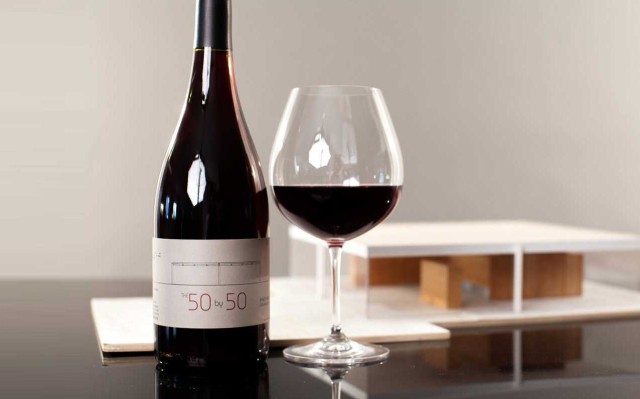
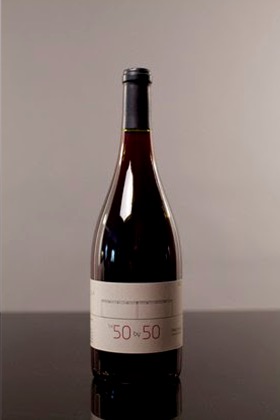
This evening I was fortunate enough to try the 50 by 50 Pinot Noir. The story behind this wine is unique in that it’s a creation of Gerald Casale founding member of the prolific band DEVO. During the late 70’s and early 80’s Gerald and the band began to tour the world extensively. When given the opportunity to visit vineyards in Italy, France, Spain and other regions Gerald jumped at the chance to learn and discover the pleasures of wine. As the story goes his love specifically for Pinot Noir came later on around 1990. Having been fortunate enough to taste the legendary Domaine de la Romanée Conti with friends the love affair began. Years later Gerlad began creating the 50 by 50 Pinot Noir in Sonoma County. The name derives itself from the blending of a 50/50 blend of two Pinot Noir clones; the Pommard and the 667 Dijon clone. Produced in a Burgundian style this Pinot Noir is a treat for the senses. Below are my tasting notes. Enjoy!
Appearance: Beautiful light brick color.
Nose: Some bright cherry and red fruits with a bit of cinnamon and spice.
Taste: This wine starts off with upfront flavors of cherry, a bit of ripe strawberry and cola. Mid palate shows almost coffee like notes with spice and cherry intermingling. The finish smacks of red berries, fresh sage and earth which linger on and on. With some decanting this wine opens up to reveal tart cherry, all spice and a pronounced finish of earth and coffee. Stylistically this Point has the ripe red fruit flavors of a Californian Pinot Noir along with the richness and elegant finish a good Burgundy possesses. The wine is harmonious and for the price of around $34 a very good value for a wonderful Pinot Noir.
Conclusion: Gerald’s passion for wine is evident as demonstrated by his excellent Pinot Noir. Make no mistake this is not a vanity project from a celebrity but an homage to true fans of the grape with all the care and attention clearly shown here. This is a wine I recommend picking up before it sells out!



 Ah, the mystical Island of Cuba. For the U.S. it’s the forbidden country that secured the embargo on September 7th 1962 when John Fitzgerald Kennedy re-instated the Trading With The Enemy act of 1917. Since then U.S. citizens have only be able to travel to Cuba for very strict diplomatic or humanitarian reasons and return with no goods from the country… until now. Last year President Obama repealed the travel ban on Cuba creating more broad allowances for U.S. citizens to travel there. Better still the former president lifted restrictions on bringing back goods from Cuba to the United States. For beloved cigar smokers this was fantastic news. Having traveled around the world smoking Cuban cigars, finally being able to visit the country and farms where the famed tobacco is grown is a cigar aficionados dream come true. In this first report I will touch upon the ease of travel to Cuba and the state of cigars I found in Havana. Also included is a list of the best places to purchase cigars and where I found some older vintages lying around.