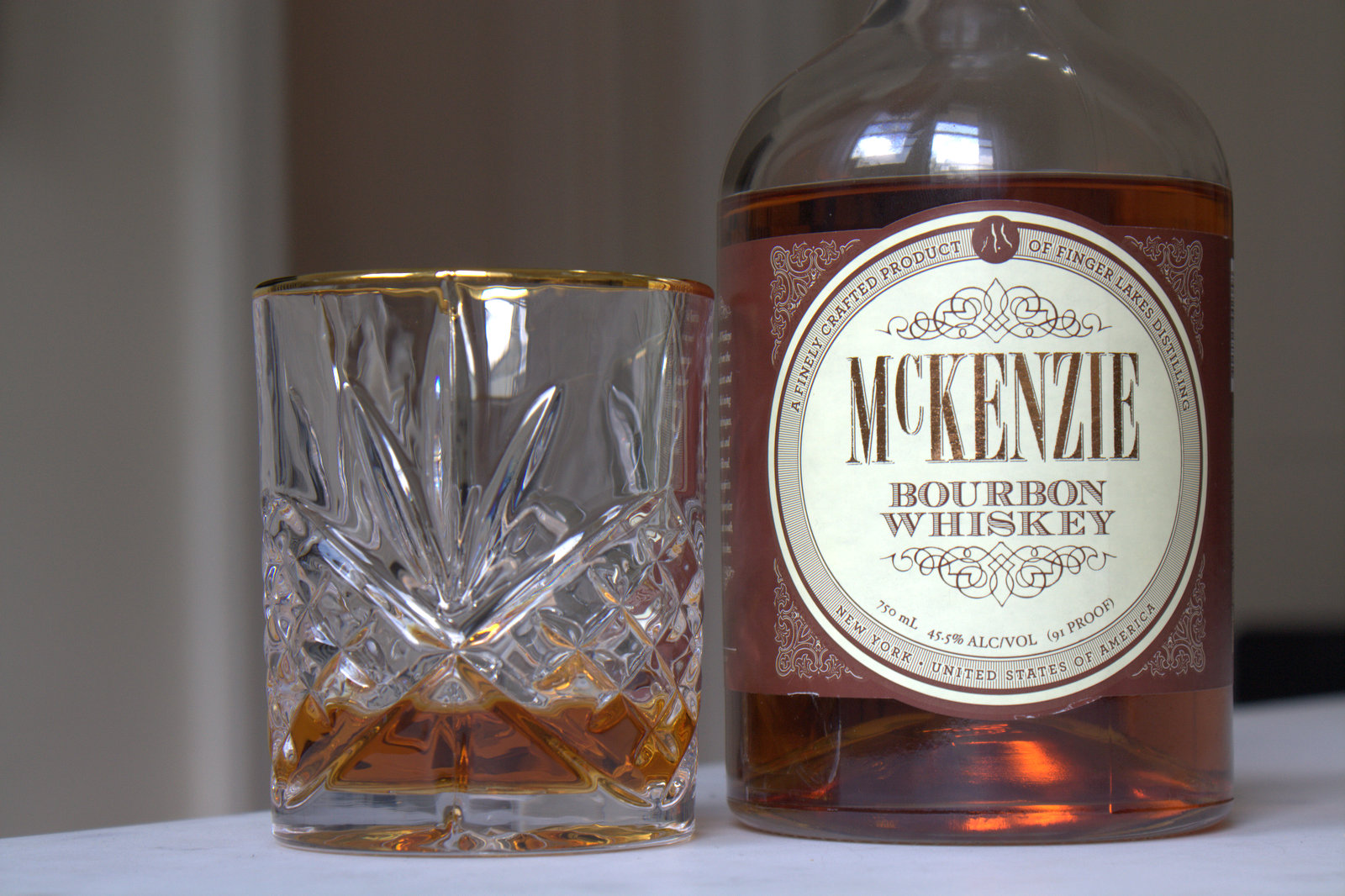
A few years ago, we did a wonderful whiskey education event at Cielo Bar in Times Square featuring our whiskey up for review today. At the event, we actually tasted both the McKenzie Bourbon and Rye. This bottle has been sitting on my shelf since then, waiting to be opened and reviewed.
The Whiskey Jug reports that this whiskey is aged first in new oak barrels, and then moved to large ex-Chardonnay casks. I didn’t find this information on the Finger Lakes Distilling website, but it does explain some of the nuances of this bourbon that I enjoy.
Product Specs
Distillery: Finger Lakes Distillery
Mashbill: 70% corn, 20% rye, 10% malted barley
Age: 18 months (1.5 years)
ABV: 45.5%
Appearance
In the glass, this bourbon is a golden, corn yellow. The bottle itself doesn’t scream for attention – it has some classy branding but is ultimately understated.
Nose
The nose is assertive, bright, and complex. Possibly a result of it’s relatively low age, possibly as a result of the substantial rye content. Notes of kitchen spices, fresh grapes, and some caramel.
Taste
On entry, this whiskey is full of zest, with caramel, lots of fruits (green apples and plums, which I take as the influence of the Chardonnay finish), and oak. Very enjoyable.
Finish
Sweet and long, with notes of spice and banana bread.
Conclusion
Though this whiskey hasn’t received rave reviews by other bloggers, I absolutely think this whiskey is deserving of at least one bottle purchase. Though this whiskey is by no means new to the market, it does offer something unique that bourbon fans will enjoy and possibly even bring into their lineup.
Spending a week in Havana with all the that there is to appreciate and explore is easy to do. Since I was only staying for a few days however I needed to make them count. With my driver and translator with me I set out to the Pinar del Rio region of Cuba to visit local tobacco farms with my main stop being the renowned Robaina Tobacco Farm. Alejandro Robaina was a famed tobacco grower who’s tobacco was so prized that in 1997 he was awarded a brand named in his honor called “Vegas Robaina”. Sadly Alejandro Robaina passed away in 2009 although his grandson Hiroshi continues with his growing tradition and legacy. If you’ve never smoked a Vegas Robaina cigar you should as they can be wonderful however do not think you are smoking a cigar directly from the Robaina Farm. This NOT a single estate cigar. It is merely a blend from many farms created to have a distinct flavor profile for the brand “Vegas Robaina”. This was another reason I was really looking forward to visiting and possibly having the chance to smoke a Finca or “Farm” cigar from the actual Estate.
As you drive up the dirt road to the farm you see a large overhanging sign with the words “Alajandro Robaina 1845” clearly noting the farms history.
Upon entering we were greeted by a guide who explained the history of the farm and Alejandro Robaina’s legacy. As we walked we were shown the acres of tobacco growing in the field as well as a special plot of seeds beginning to grow. We were told this plot was for something they were still unsure of how it was going to be used or quite possibly they didn’t want to tell us.
After seeing the tobacco as it was growing our next stop was the curing barn where tobacco is dried and cured after it is harvested. The tobacco is hung from the barn as seen below.
If you have never visited a tobacco farm before seeing the process firsthand gives you an appreciation of the time and care involved in creating this craft product. Our guide highlighted pictures of the various stages of the tobacco process and the journey it takes from seed to cigar.
As part of the tour a cigar roller was in the barn rolling a fresh cigar. I was fortunate enough to be the one who was gifted the smoke as it came off the table. As I stated earlier the brand Vegas Robaina is a blend from various tobacco farms used to create the flavor characteristic of the name brand. The cigar I was given was probably the truest expression of a cigar from Alejandro’s farm and his tobacco.
Wrapped in newspaper to aid in drying the fresh tobacco before smoking, a true Robaina cigar:
Next we were taken to the dining area where events are held and an homage to Alejandro is purposefully represented.
The last stop was the famous rocking chair where Alejandro Robaina was said to sit and smoke. I can only imagine the decades of contemplation and reverence that was put into each harvest day after day year after year. As I headed off in the early afternoon to my next adventure I left feeling a newfound appreciation for the cigar making process as well as how respected Alejandro was in his homeland and the world.
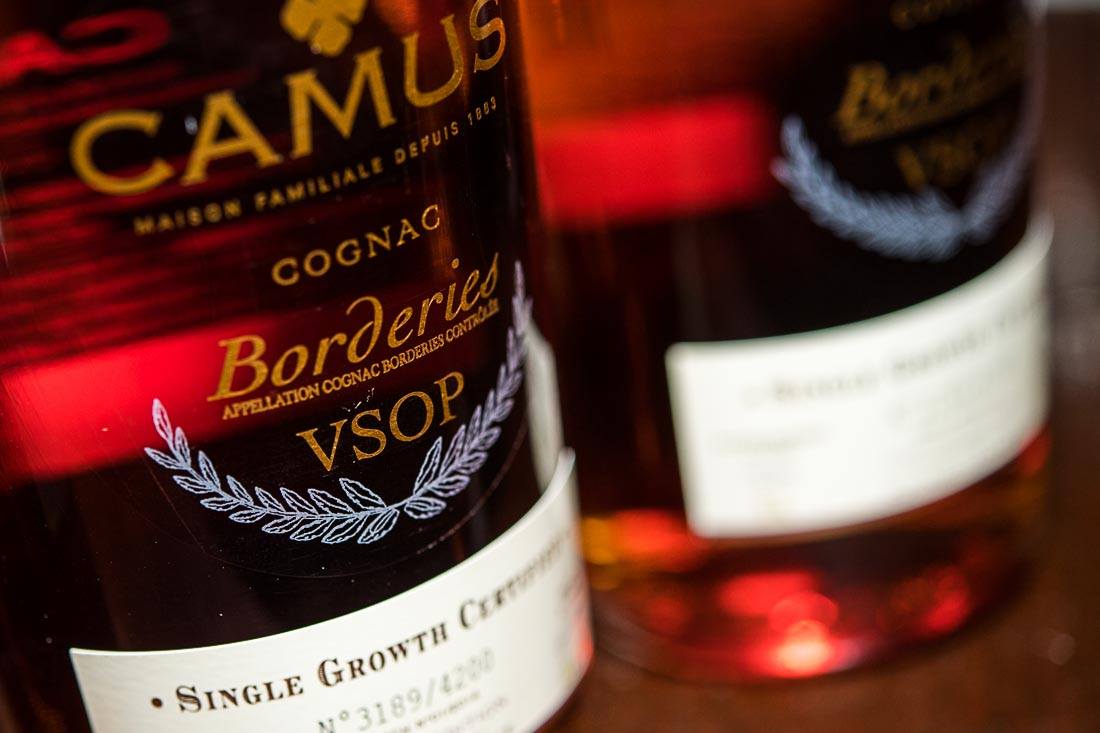
Up for review today is the CAMUS Borderies VSOP, a unique offering on the current market in that it is made of 100% single-growth Borderies grapes. Of course, there are plenty of disappointing products that make big claims based on the source of the materials (“100% Cuban seed tobacco” comes to mind). So let’s see how the Borderies VSOP shakes out.
Distiller: CAMUS
ABV: 40%
Cask Type: French Oak
Nose
The nose is deep but gentle, with notes of apples, citrus, and a hint of vanilla.
Palate
One sip and I know that this is a very special cognac. Flavors move from apples and oranges, to hints of honey and then on to a definitive cinnamon spiciness that is totally harmonious with the rest of the flavors.
Finish
The finish is long and sweet, and it holds each flavor for what feels like a full minute.
Conclusion
CAMUS VSOP Borderies is a unique offering that manages the rare task of presenting a compelling story for the product and delivering on the promise. At under $40, this cognac deserves at least one cycle on your spirits shelf.
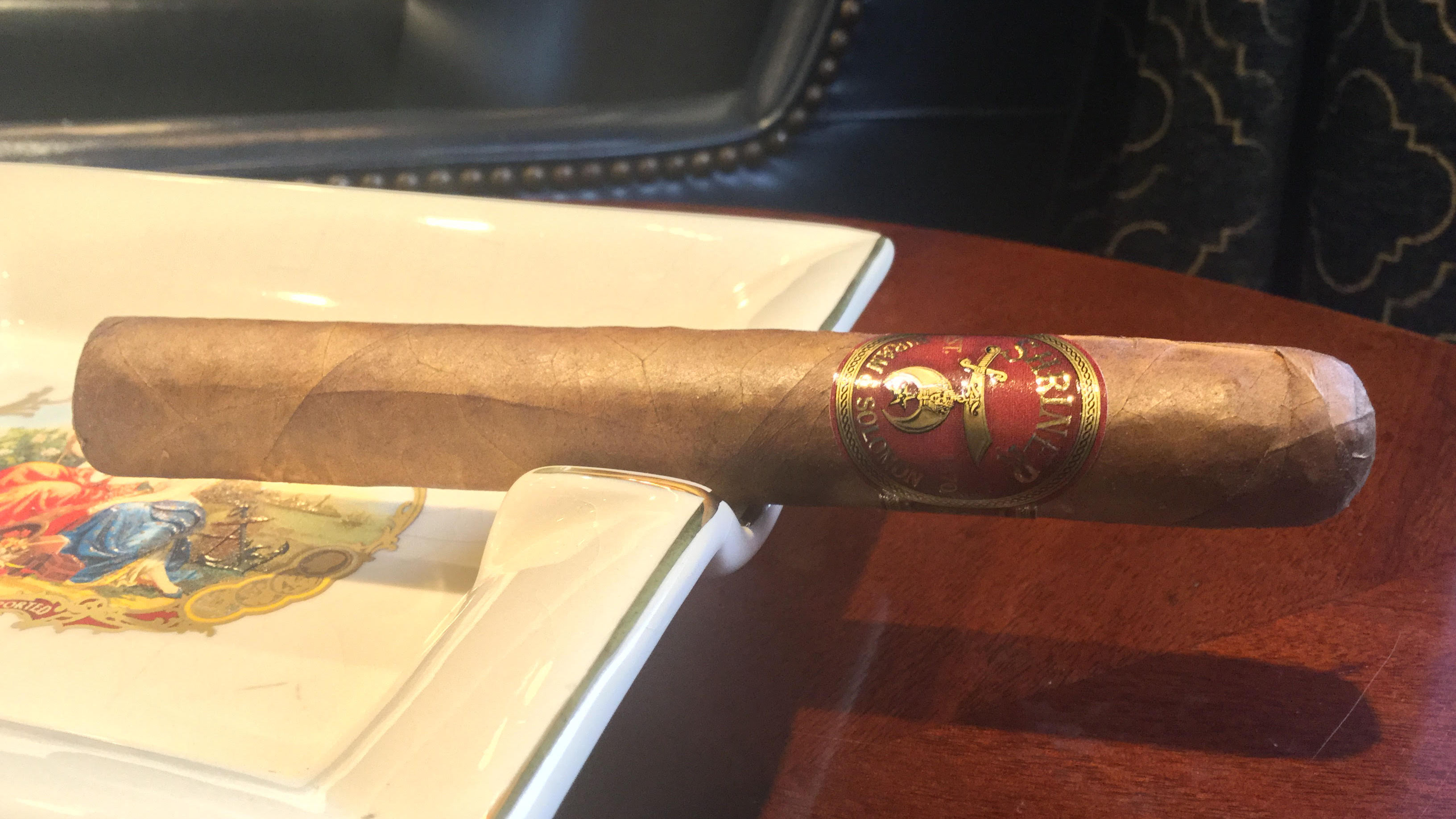
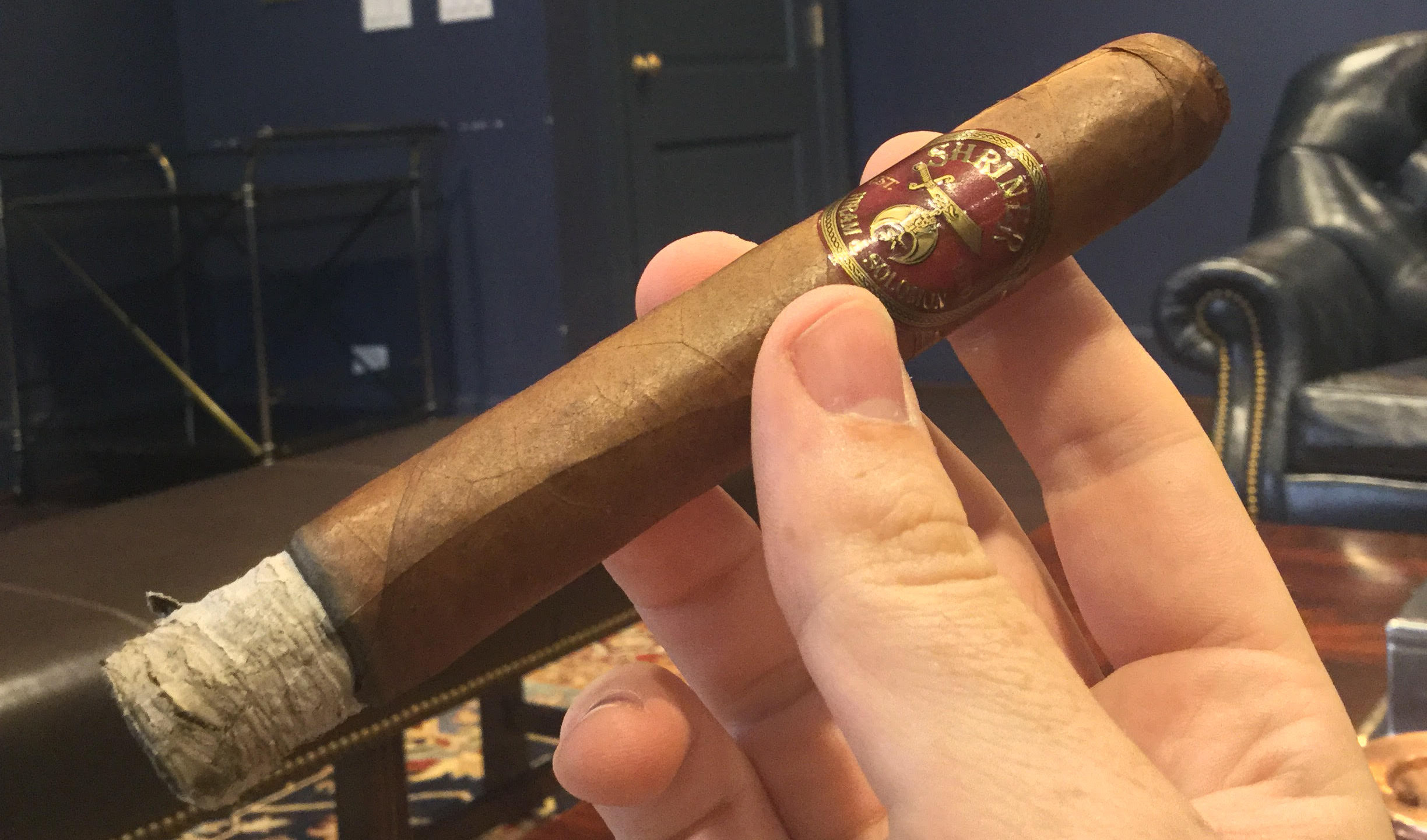
I was gifted this Hiram & Solomon Shriner at a Fine Tobacco NYC cigar event hosted at Club Macanudo. On to the review, shall we?
Blend specifics
Wrapper – Ecuadorian Sumatra
Binder – Two regions from Nicaragua
Filler – Dominican, Brazilian
Appearance and construction
The Shriner features a single, medium sized band bearing the Hiram and Solomon branding. The cigar itself features a beautiful, chocolate brown Ecuadorian Sumatra wrapper that is covered in a light oily sheen. The draw after using the straight cut is perfect, with a medium amount of resistance.
Flavor & Smoke Characteristic
Opens silky smooth with lots of oak, milk chocolate, and slight earthiness. An impressive opening, and it becomes evident as the cigar progresses that the burn and construction are flawless.
The second third picks up in strength to a solid medium, with an earthy spiciness and toasted nuts. The added flavors pair very nicely with the chocolaty notes that are still present. As the second third progresses, the flavor becomes even more assertive, with a bouquet of kitchen spices entering, bringing the smoke to full body. Very, very good.
The final third draws the strength down a touch, bringing all the flavors together marvelously.
Conclusion
Anyone who knows me knows I am a sucker for complexity, and the Shriner delivers in that category brilliantly.
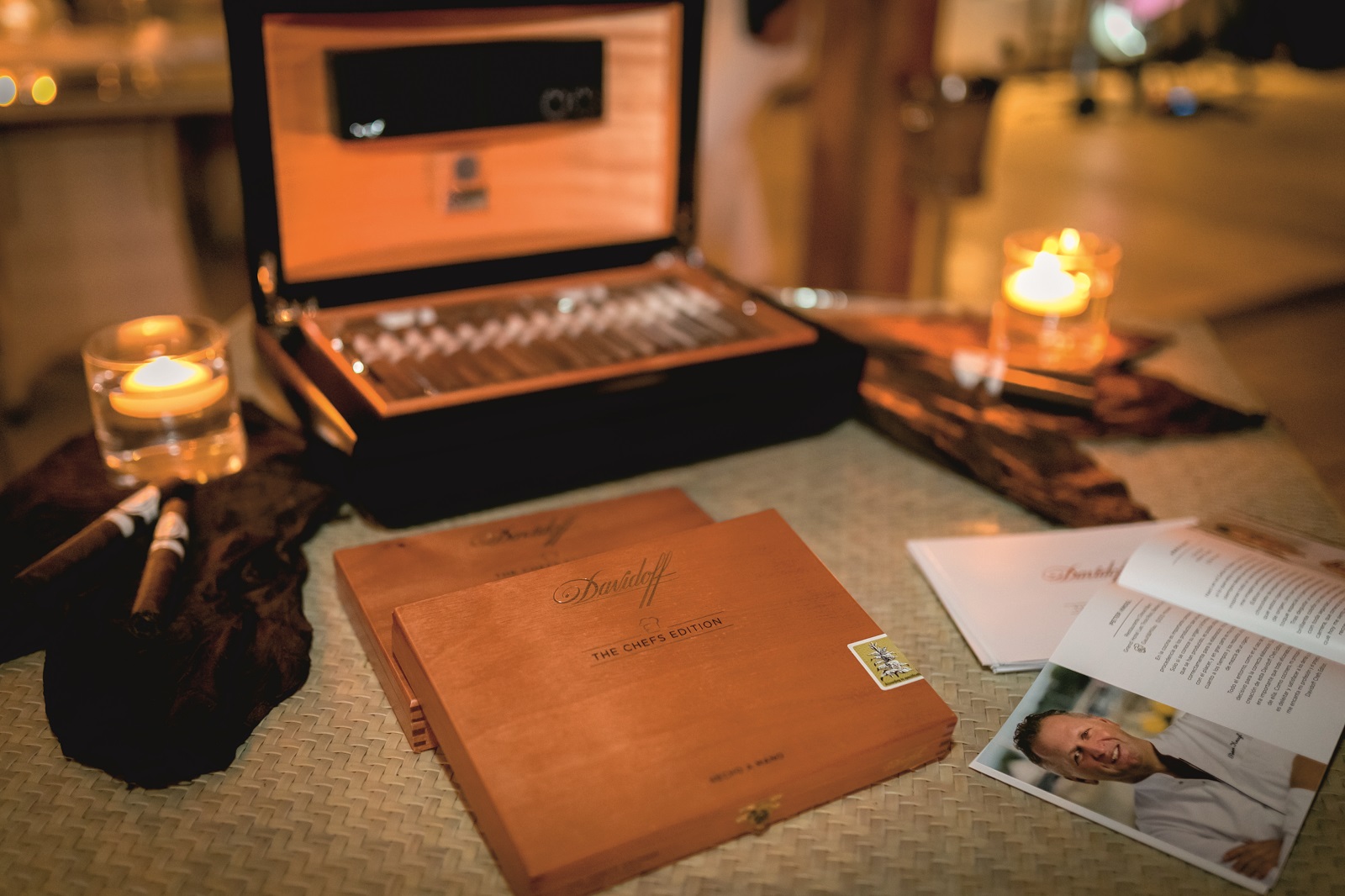
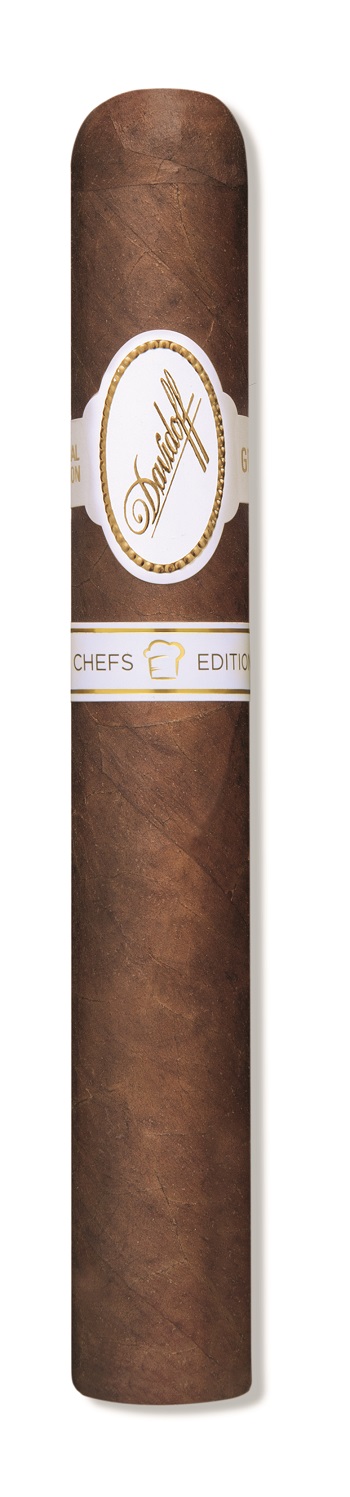
In early April, Davidoff launched the new and highly anticipated Chef’s Edition cigar at their NYC flagship at Brookfield Place. Running about $30, the cigar is comprised of an Ecuadorian habano wrapper, Ecuadorian Connecticut binder, and four Dominican fillers including: piloto viso, San Vicente mejorado seco, San Vicente mejorado viso and San Vicente viso. The composition of the cigar is impressive, but Davidoff took the development of the Chef’s Edition to a new level by leveraging the combined palates of the Davidoff Master Blenders with six of the world’s top chefs.
From Davidoff:
For the first time in history, the Davidoff masterblenders have collaborated with six of the world’s top chefs to create Davidoff’s latest cigar creation, the “Davidoff Chefs Edition.” The cigar was crafted to be a perfect partner to round off an exquisite gourmet meal and augment the enjoyment of the memorable conversations that typically follow these meals.
Peter Knogl, Maria Marte, Léa Linster, Ali Güngörmüs, Michel Trama, and Renato Wüst applied their refined palates in influencing masterblenders in blending this unique cigar.
“The Davidoff Chefs Edition offers fine dining an exceptional cigar for connoisseurs to enjoy after a culinary experience. This unique partnership with some of the world’s greatest chefs has been highly inspiring for our masterblenders to blend a memorable cigar,” believes Hans-Kristian Hoejsgaard, gourmet and CEO of Oettinger Davidoff AG.
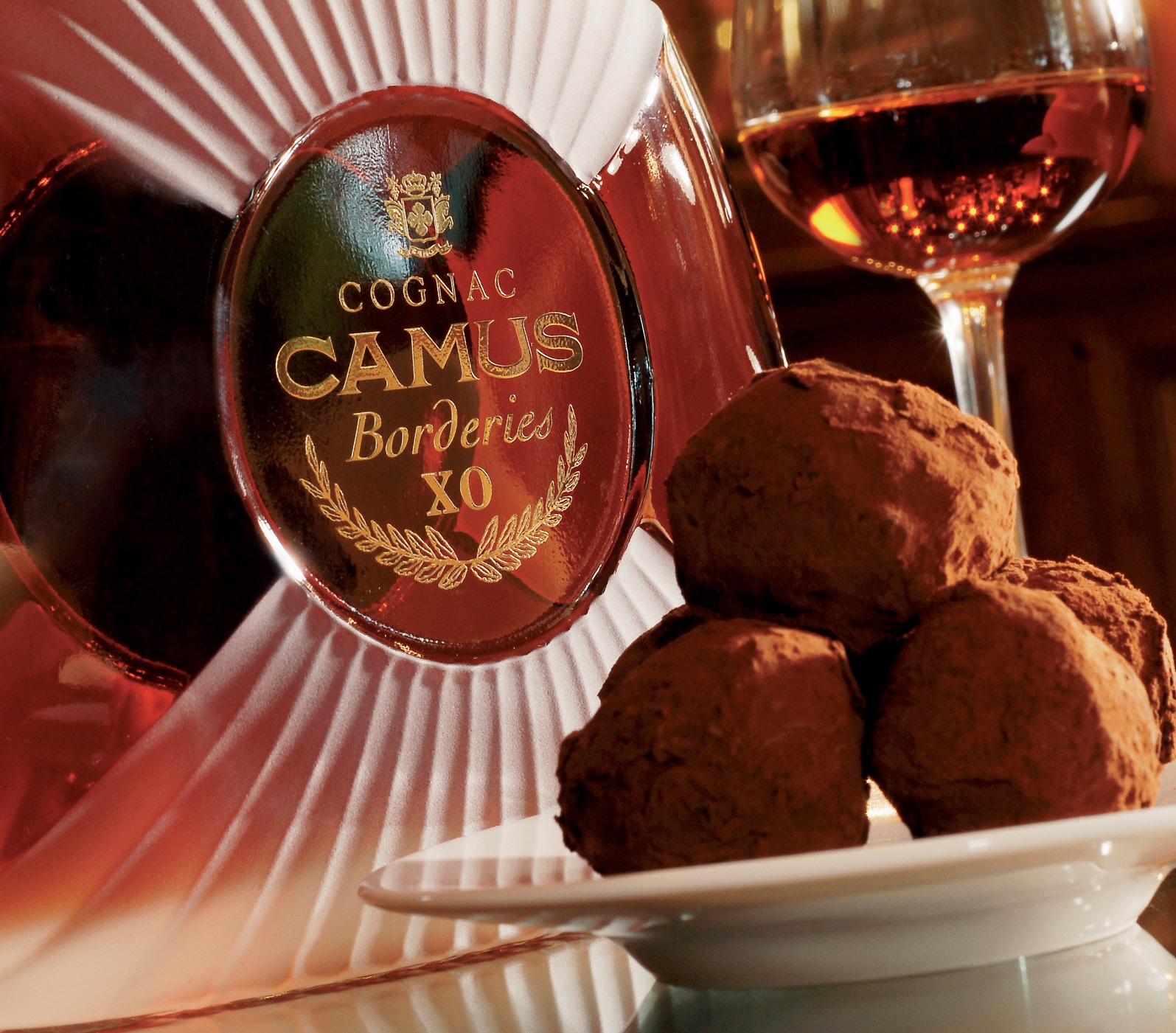
At the event, Hans-Kristian Hoejsgaard, Global CEO at Davidoff discussed the new Chef’s Edition and answered questions about the future of the company. Guests and press tasted the Chef’s Edition alongside cognacs from Camus, including the Camus Elegance XO and Camus Borderies XO.
The Davidoff Chefs Edition are available at selected Appointed Merchants in the US and at Davidoff Flagship Stores.
Since the whiskey boom of 2008, the craft whiskey industry has seen its growth almost exponential in the number of new and interesting craft distilleries that are opening up shop. Not to take anything away from the classics we should always pay tribute to like Michters, Pappy, Buffalo Trace, even Westland, there are a number of amazing distilleries whom you’ve probably never even heard of. I am here today to give you a sneak peek into some great American made whiskey. Let’s start off with number 5 and work our way down to the Top American Dram by our standards.
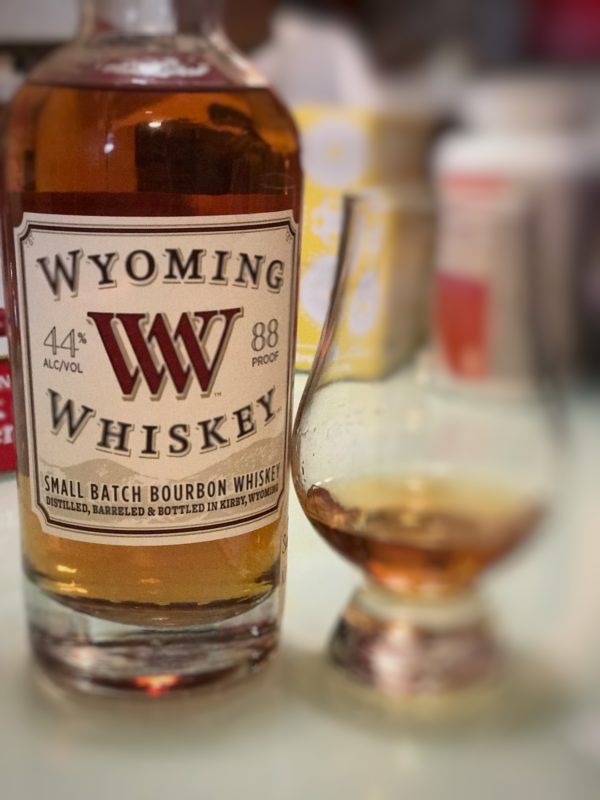
Number 5: Wyoming Whiskey Small Batch
Priced at around $43, this dram is quite sensational in both its nose, palate and finish. On the nose you’ll find light oak, green apples and hints of sweet caramel. The taste leads way into caramel crisps, brown sugar and a touch of cinnamon, with undertones of wet wood laying in the background, giving subtle notice to its oak flavors. It finishes up pretty short, but has a nice richness and spice that lingers for a few minutes .
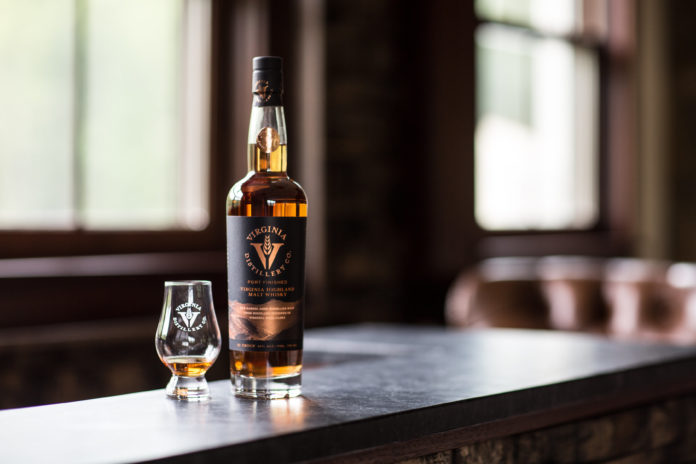
Number 4: Virginia Highland Single Malt
Priced at about $65, this dram is a little more on an expensive side, because of the way it’s made. It arrives to the distillery as a six year old malt whisky from the Highlands of Scotland and is cask finished on-site. The distillery works with a variety of Virginia port-style wine partners to source the finishing casks. It starts off with hints of brown sugar and nutmeg. As you sip your first sip, it transitions to notes of dark chocolate, butter and leathery tobacco. It’s very strong to the tongue. The port finish gives it a nice sherry like cask finish. The finish is quite long and lingers on the tongue with sweet cinnamon sherry spices.
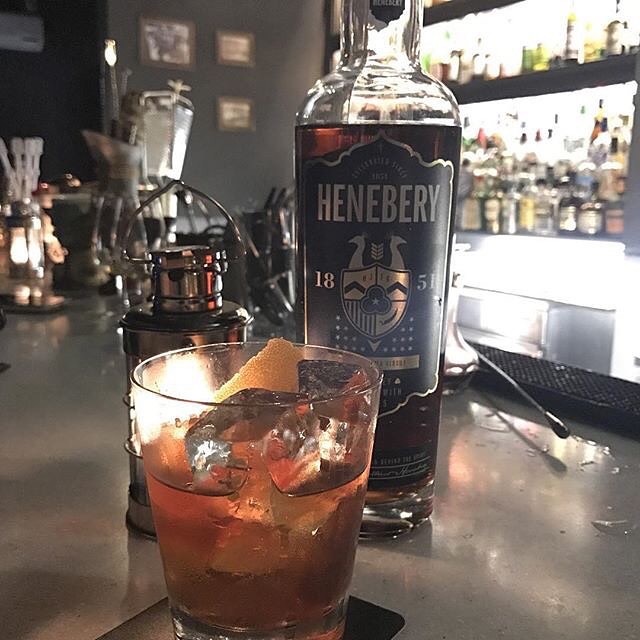
Number 3: Henebery Whiskey
– Priced at $35, it’s a steal of a dram. The Henebery Whiskey is a Rye based whiskey that has a small infusion after the aging process that really respects and compliments what the American Oak does throughout aging. The fragrance brings cinnamon and spice, butter and dried fruits to the forefront. The palate is more of bitter orange, cinnamon and citrus. The finish is quite light but it has a nice bite to it. Overall, pretty interesting dram, if you’re looking for something a bit different.
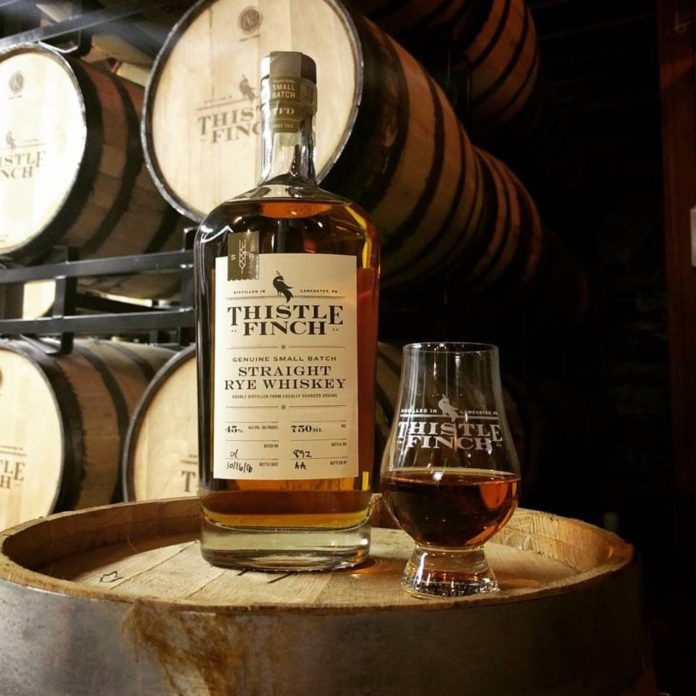
Number 2: Thistle Finch Whiskey
Priced at around $35, it’s a modest yet affordable whiskey, that’s worth looking into. This dram is composed of 60% rye, 30% wheat, and 10% malted barley. This mix gives it a nice tasting profile for an unaged whiskey. The nose brings forth cereal and outdoor floral notes. It has a nice layer of complexity on the palate with butterscotch, toffee, lemons and citrus. It finishes up with florals, that has its own layers of complexity. Beautiful dram worth checking out.
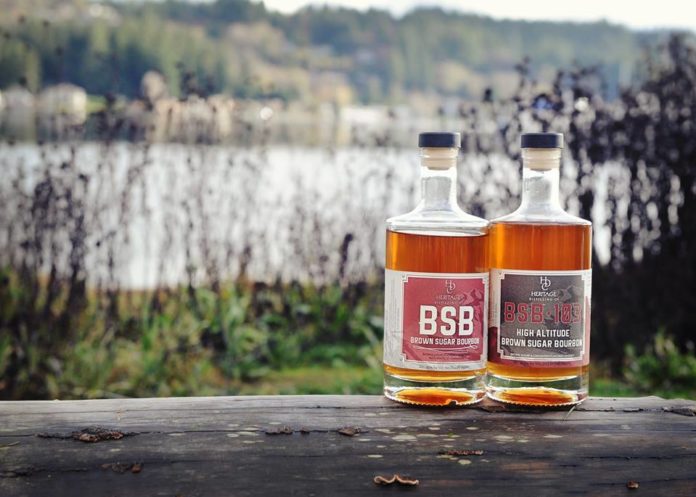
Number 1: Heritage Distilling BSB Duel Barrel Bourbon
Priced at around $32 it’s def a steal. Duel Barrel collection is aged in new charred oak barrels and then rests again in premium used barrels that held pure vanilla extract. The nose gives way to sweet caramel and cinnamon sweetness, with vanilla creamy buttery notes. The palate leads us into toffee and spices layered with complexity and smoothness of cedar and buttery goodness. There are hints of caramel and nutmeg present as well. The finish is dry and medium with light spices. Beautiful and extremely affordable dram.
These 5 drams should be sought out if possible, because big things are coming from the distilleries behind them.
This article is a guest post by Gene Kizhnerman, Managing Partner at TasteTheDRAM. Read more of Gene’s expert reviews here.
According to DNA Info, Sugar East, formerly Merchants NY Cigar bar, is now re-opened. And NYC cigarette smokers can rejoice, because Abraham Merchant has apparently decided to utilize the grandfathered smoking permit that once allowed Merchants NY Cigar Bar to function.
Cigar smokers hopeful that Merchants would “reopen” as a cigar friendly Sugar East are out of luck. After looking at the website and noticing the word “cigar” conspicuously absent, I emailed Stefan Ching, GM at Merchants Hospitality Group, to clarify. His response:
The owners at Sugar East are clearly focusing on a very different vibe from Merchants NY Cigar Bar. Such a large departure from the previous brand, in my mind, indicates that cigar smoking will permanently be a thing of the past at Sugar East.
It isn’t every day that big news about a New York cigar bar happens, so we will be following this story closely and updating this article as the facts roll in.
Here’s more information about the new spot.
The venue is described as having “the mahogany, leather, brass, bronze and booze to transport patrons back to a time when men and women could grab a late-night cocktail and a smoke.”
The creators of Sugar East, according to its website, understand the new night-life spot this way:
“Elements of the decadent Havana High Life are integrated throughout visual and edible elements, including a nod to the fact that Sugar East is one of the seven remaining venues in New York City where tastemakers and troublemakers alike can grab a cocktail and an otherwise forbidden indoor late-night cigarette.
Back in stock! Ventura Cigar Company is expanding distribution of archetype chapter 2.
Back by popular demand, Ventura Cigar Company is pleased to announce that the Archetype Chapter 2 Cigars, Initiation and Axis Mundi, have been restocked, and will now be shipping to premium tobacco retailers nationwide. Initially available only at select tobacconists, the Chapter 2 cigars sold out almost immediately in July 2016, when demand surpassed the available supply. With inventory restored, these Drew Estate-produced cigars will be more readily obtainable for fans of the Archetype brand.
“The exceptional blends of the Initiation and Axis Mundi cigars are unchanged in this second release,” says Benjamin Winokur, Marketing Manager, Ventura Cigar Company. “We’ve updated the artwork on the bands, but have otherwise left the perfection of these smokes alone. The only real difference of this batch versus the initial Chapter 2 release is its wider distribution. Initiation and Axis Mundi will finally be easier for customers to find. And that’s something to be excited about.”
The entire Archetype Cigar collection has been a favorite of customers and retailers since it was launched at the 2016 IPCPR show. Artfully crafted with rich, flavorful tobaccos, the cigars in both Chapter 1 and Chapter 2 have enjoyed media attention, garnering top ratings and reviews for their complex, yet balanced smokes.
“We are pleased that Archetype Cigars have been so well-received,” says Jason Carignan, CMO of Kretek, parent company of Ventura Cigar Company. “We really looked at creating a unique experience for the smoker- from the tobacco blends to the design of the packaging and references to transcendental legend. Now that both Chapter 1 and Chapter 2 blends are readily available, we hope the collection continues to gain traction as people explore the breadth of the brand.”
Initiation has an Ecuadorian Habano wrapper, and features an intriguing blend of Nicaraguan tobaccos with a surprising mix of floral notes, white sage, and orange zest that intensify throughout the smoke. It is available in four sizes: Corona (5 x 46), Robusto (5 x 54), Toro (6 x 52), and Churchill (7 x 48), and retails from $10.25 to $13.
Archetype Initiation
Axis Mundi features a Maduro Habano wrapper, and offers a well-balanced blend of Nicaraguan tobaccos that deliver complex flavor layers of spice, dried figs, maple syrup, and charred oak. It is available in four sizes: Corona (5 x 46), Robusto (5 x 54), Toro (5 x 52), and Churchill (7 x 48), and retails from $10.75 to $14.
Archetype Axis Mundi
Initiation and Axis Mundi are both created in collaboration with Drew Estate, produced at their Nicaraguan factory, La Gran Fabrica Drew Estate. The Chapter 1 and Chapter 2 Archetype Cigars are both available at top-level tobacconist stores, online and on-shelf. For more information about the different blends and where to find them, please visit www.venturacigar.com .
# # #
About Ventura Cigar Company
Ventura Cigar Company (VCC) is a boutique cigar brand born in sunny southern California that is on a mission to create memorable, complex cigar blends that excite the senses and reward discriminating palates. Their flagship brands include Case Study, PSyKo SEVEN and Archetype, the latter of which offer multiple award-winning blends that have earned 90+ ratings in Cigar Aficionado, Cigar & Spirits, and Cigar Snob. Other popular VCC brands include the 91-rated Project 805 featuring rare Andullo tobacco, Estilo Cubano, Pura Sangre, and the flavor-infused Pacific Twyst. Ventura Cigar Company also distributes the 4th Generation and Comoy’s of London brand of pipe tobacco products, extending its reach and tradition of offering top-quality tobacconist products. Pipes and blends under these brands are cultivated through generations of craftsmanship, making them longtime favorites of pipe tobacco enthusiasts.
About Drew Estate
Founded in New York City in 1996, Drew Estate has become one of the fastest growing tobacco companies in the world. Under their mantra “The Rebirth of Cigars”TM, Drew Estate has led the “Boutique Cigar” movement by innovating new elements to the tobacco industry with their unique tobaccos and blending styles that have attracted new and traditional cigar enthusiasts. In their Gran Fabrica Drew Estate, the Nicaraguan headquarters, Drew Estate produces a variety of brands such as ACID, Herrera Estelí, Herrera Estelí Norteño, Kentucky Fired Cured, Liga Privada, MUWAT, Natural by Drew Estate, Nica Rustica, Nirvana, Pappy Van Winkle Barrel Fermented Cigars, Tabak Especial, Undercrown, and Java by Drew Estate. To learn more about Archetype Initiation, Archetype Axis Mundi and all of Drew Estate’s IPCPR releases, visit http://drewestate.com/ipcpr.
Ah, the mystical Island of Cuba. For the U.S. it’s the forbidden country that secured the embargo on September 7th 1962 when John Fitzgerald Kennedy re-instated the Trading With The Enemy act of 1917. Since then U.S. citizens have only be able to travel to Cuba for very strict diplomatic or humanitarian reasons and return with no goods from the country… until now. Last year President Obama repealed the travel ban on Cuba creating more broad allowances for U.S. citizens to travel there. Better still the former president lifted restrictions on bringing back goods from Cuba to the United States. For beloved cigar smokers this was fantastic news. Having traveled around the world smoking Cuban cigars, finally being able to visit the country and farms where the famed tobacco is grown is a cigar aficionados dream come true. In this first report I will touch upon the ease of travel to Cuba and the state of cigars I found in Havana. Also included is a list of the best places to purchase cigars and where I found some older vintages lying around.
Travel: Traveling to Cuba was as easy as booking a flight with Delta straight to Havana. You can pay with your credit card through Delta however you can’t use any U.S. credit cards when you are in Cuba. Cuba is strictly cash for Americans and you can exchange U.S. dollars for Cuba’s CUC’s at the airport or any bank in Havana. Be aware that U.S. dollar incurs a 10% transfer fee when exchanging to CUC’s. You will also need a travel visa along with one of the twelve reasons you are traveling to Cuba. Most visitors will fall under the “People To People Educational Act” so long as you visit a cigar factory, farm, rum distillery or art museum. Touring a cigar farm, a rum distillery or viewing art is a pleasure in Cuba and the culture is what you are looking for. You will need to purchase a travel visa as well as book a hotel in advance. I suggest using a third party travel site which takes care of all those things for you. You can pay in advance which leaves you only having to bring money to spend on your trip. I recommend the Educational Adventures Company as they were excellent in making those arrangements as well as getting you into any factories or farm tours. They will also set you up with a translator and driver if you desire. The prices were very reasonable and their service fantastic. http://www.theeducationaladventurescompany.com/ If you wish to book on your own you need to contact the U.S. Office of Treasury and request a visa for purchase. In booking a hotel you would need to book online.
Havana:
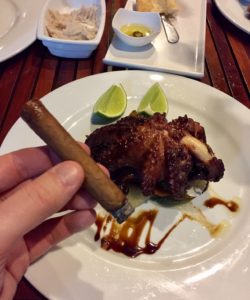
Arriving in Havana I grabbed my taxi and headed to the Casa Particulares I was staying at. The first order of business was to relax on their rooftop have a mojito and view the city as a whole during the early afternoon. Havana is as you see it in pictures; a run down third world country with half built structures, renovated 50’s American classic cars and beautiful French/Spanish architecture from the days when those countries ruled the island. The people are friendly and eager to please in what is now a boom in American tourism. In speaking with the Casa owner he said since Obama repealed travel restrictions they saw a rise in visitors from the U.S. to a million last year and near two million this year. The fear the Cubans have is keeping up with the demand. Before hitting the Casa Del Habanos which are the authorized Cuban cigar dealers and the ONLY place you should be buying cigars, I hit a Paladar which is a restaurant run by the locals and not the government. Stay away from any government run establishments as the food and service are mediocre at best. I had some of the best octopus of my life at a local Paladar and was handed a cigar to smoke with my meal. This was a local farm cigar and the flavors of earth and fresh tobacco where present. It was more of a one dimensional smoke but the earthiness hit the spot with the perfectly cooked slightly smoked octopus.
Smoked octopus with semi sweet glaze:
Cigars:
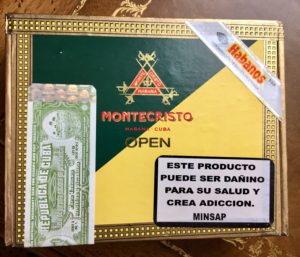
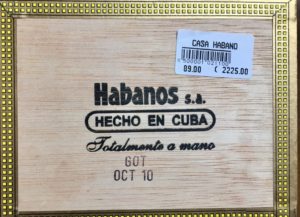
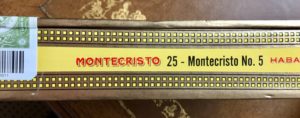
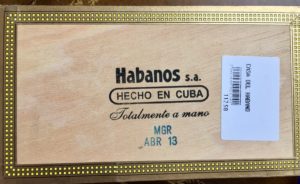
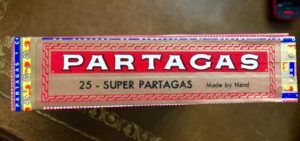
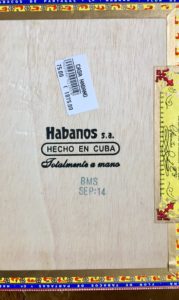
With some hearty fare and a cigar to match it was time to hit the La Casa del Habano. As I said before these are the only official stores that carry authentic Cuban brands. In Havana you will be solicited to buy Cuban cigars on the street for an even cheaper price than the stores. Do not do this unless you want to smoke fakes. If someone tells you their brother’s cousins friend works at the Partagas Factory and gets cigars from there they are lying. At best you’ll get a cigar blended with fresh farm tobacco which will taste nothing like the brands you know. At worst it can be short filler or scraps from a rolling table floor. Don’t waste your money or time on these “faux” sticks. Go to the the La Casa’s and spend your money on an authentic selection of smokes as these will be the best prices you’ve seen as a consumer anywhere in the world. My advice is to flip over boxes and dig deep into their inventory. You may find some boxes with several years of age on them and it is worth the hunt. The proprietors do not mind you rummaging through their stock and will often help you. I was fortunate enough to find boxes with as much as seven years of age on them.
A box of Montecristo Open Juniors from ’10
Montecristo #5’s from ’13
Partgas Super Partagas from ’14
They were fully stocked with most brands from 2016 although there were no Cohiba Behikes or Esplendidos to be found at the places I looked. I stayed away from most 2016 vintages as the past crops in Cuba haven’t been great. I did pick up some boxes of ’16 Trinidad Reyes and current Vegueros Tapados which smoked well despite being young and will most certainty benefit from age. I feel the 2016 vintages are hit or miss from what I’ve smoked so be cautious or pick up single sticks to sample yourself. Most La Casa del Habanos carry single sticks although the selections vary. Below is a list of three La Casa del Habanos you should definitely visit.
La Casa del Habano
5th and 16 Av. 5 y Calle 16, Miramar
This is where I found the oldest vintages of Cuban cigars and the staff were most helpful.
2. La Casa del Habano, Club Habana
Av. 5, entre 188 y 192, Miramar, Playa
The place to enjoy a custom rolled “Monsdale” cigar which was created by the late Enrique Mons. It’s a thicker lonsdale with a pigtail cap. Flavors of caramel, butterscotch and toast in this unique blend.
3. La Casa del Habano, Hotel Habana Libre
Calle L entre 23 y 25, Vedado
The largest selection of boxes of cigars in all sizes. If you enjoy the hunt this is the spot for you.
End of Day One:
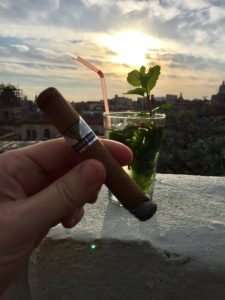
Loaded with cigars and satiated from delicious Cuban fare it was time to watch the sunset with a mojito and cigar reflecting on the first day in Havana. In Part Two I travel to the tobacco fields and the famed Robaina Farm. Stay Tuned!
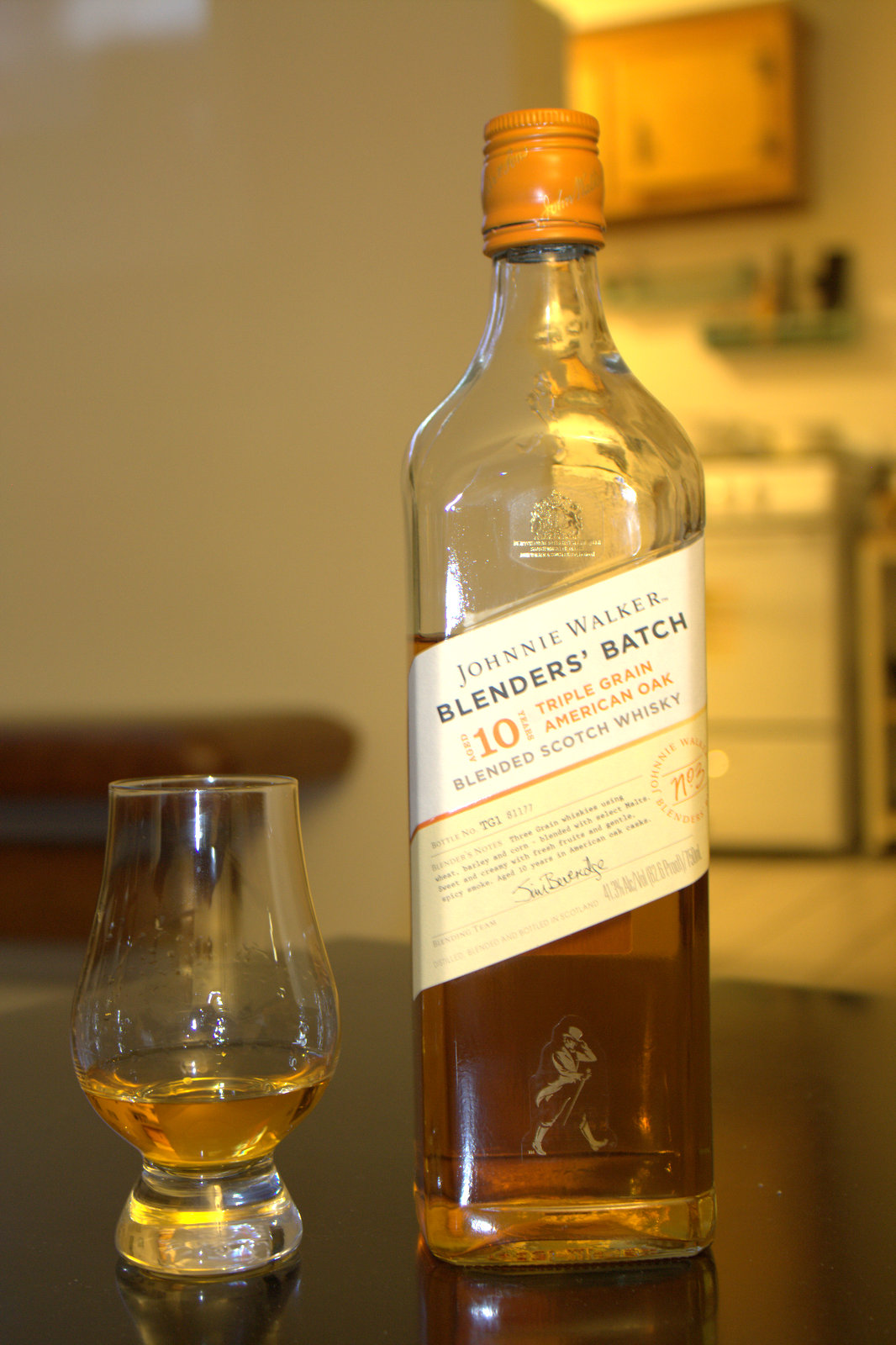
I happened across a bottle of Johnnie Walker Blenders’ Batch 10 Year Triple Grain (called “Johnnie Walker 10 year Triple Grain” for the remainder of the review–too much of a mouthful) at my local liquor store and was intrigued enough to pick it up. I’m glad I did.
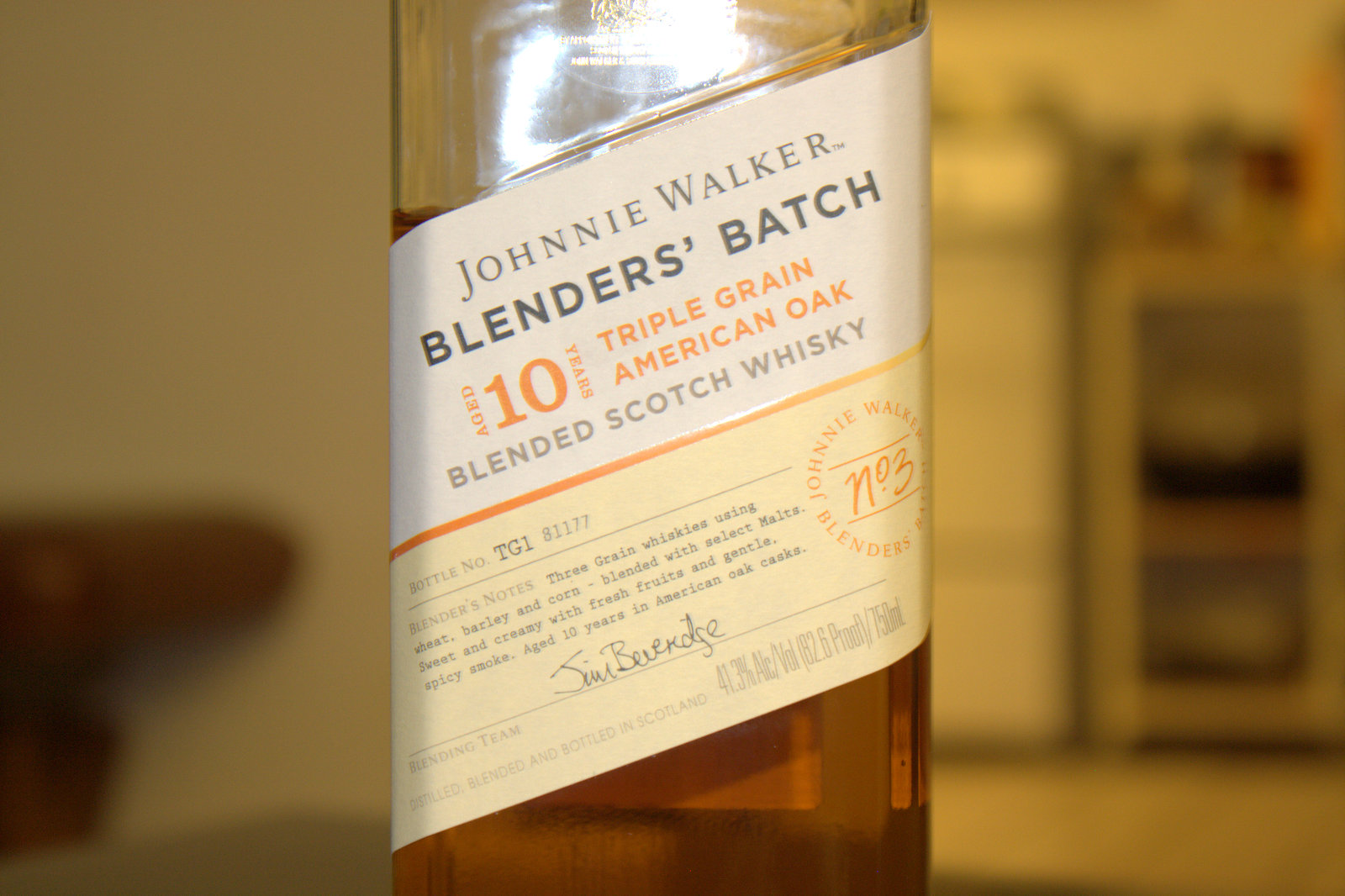
Interestingly, as of my writing of this article (2/14/2017), there’s almost zero information about this product available online. The whisky isn’t even listed on the Johnnie Walker website under the “Limited Edition” category. Either way, the bottle came with a bit of information. This whisky is a blend of 10 year whiskies from the Port Dundas, Mortlach, and Cardhu distilleries. The bottle’s “Blender Notes” includes this description:
“Three Grain whiskies using wheat, barley and corn – blended with select Malts. Sweet and creamy with fresh fruits and gentle, spicy smoke. Aged 10 years in American oak casks.”
On with the review…
Product Specifics
Brand: Johnnie Walker Blended Scotch Whisky
Distillery: combination of Port Dundas, Mortlach, and Cardhu distilleries
Age: 10 years
ABV: 41.3% ABV (82.6 proof)
Nose
The nose is gentle, but complex, with hints of fresh-sliced bananas, vanilla, sweet maltiness, all rounded off with a touch of sea-salt.
Palate
On entry, this scotch tingles the tip of my tongue. As the liquid expands in my mouth, the flavor is complex and balanced, with sweet spiciness, hints of vanilla, caramel, touches of smoke, charcoal, and salt.
Finish
The finish is long and pleasing, with cereal and sweet maltiness followed by hints of sea salt and light smokiness.
Conclusion
Other blogs will surely go into much more detail about the origins and innovations of Johnnie Walker 10 Year Triple Grain. As for your humble servant, this is a scotch I recommend. It has most all that I look for in a quality offering: complexity, balance of competing flavors, and a mix of sweetness, spice, and smoke.
If my local liquor store wasn’t currently closed, I’d be walking over now to pick up at least another bottle. At $33/bottle, I could see this bottle being a standard on my shelf, alongside my other standards at this price point (Monkey Shoulder and Tomatin 12 year to name two).







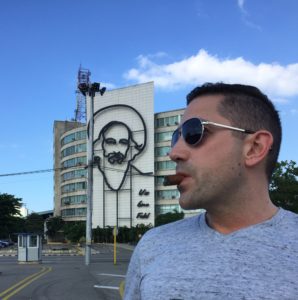 Ah, the mystical Island of Cuba. For the U.S. it’s the forbidden country that secured the embargo on September 7th 1962 when John Fitzgerald Kennedy re-instated the Trading With The Enemy act of 1917. Since then U.S. citizens have only be able to travel to Cuba for very strict diplomatic or humanitarian reasons and return with no goods from the country… until now. Last year President Obama repealed the travel ban on Cuba creating more broad allowances for U.S. citizens to travel there. Better still the former president lifted restrictions on bringing back goods from Cuba to the United States. For beloved cigar smokers this was fantastic news. Having traveled around the world smoking Cuban cigars, finally being able to visit the country and farms where the famed tobacco is grown is a cigar aficionados dream come true. In this first report I will touch upon the ease of travel to Cuba and the state of cigars I found in Havana. Also included is a list of the best places to purchase cigars and where I found some older vintages lying around.