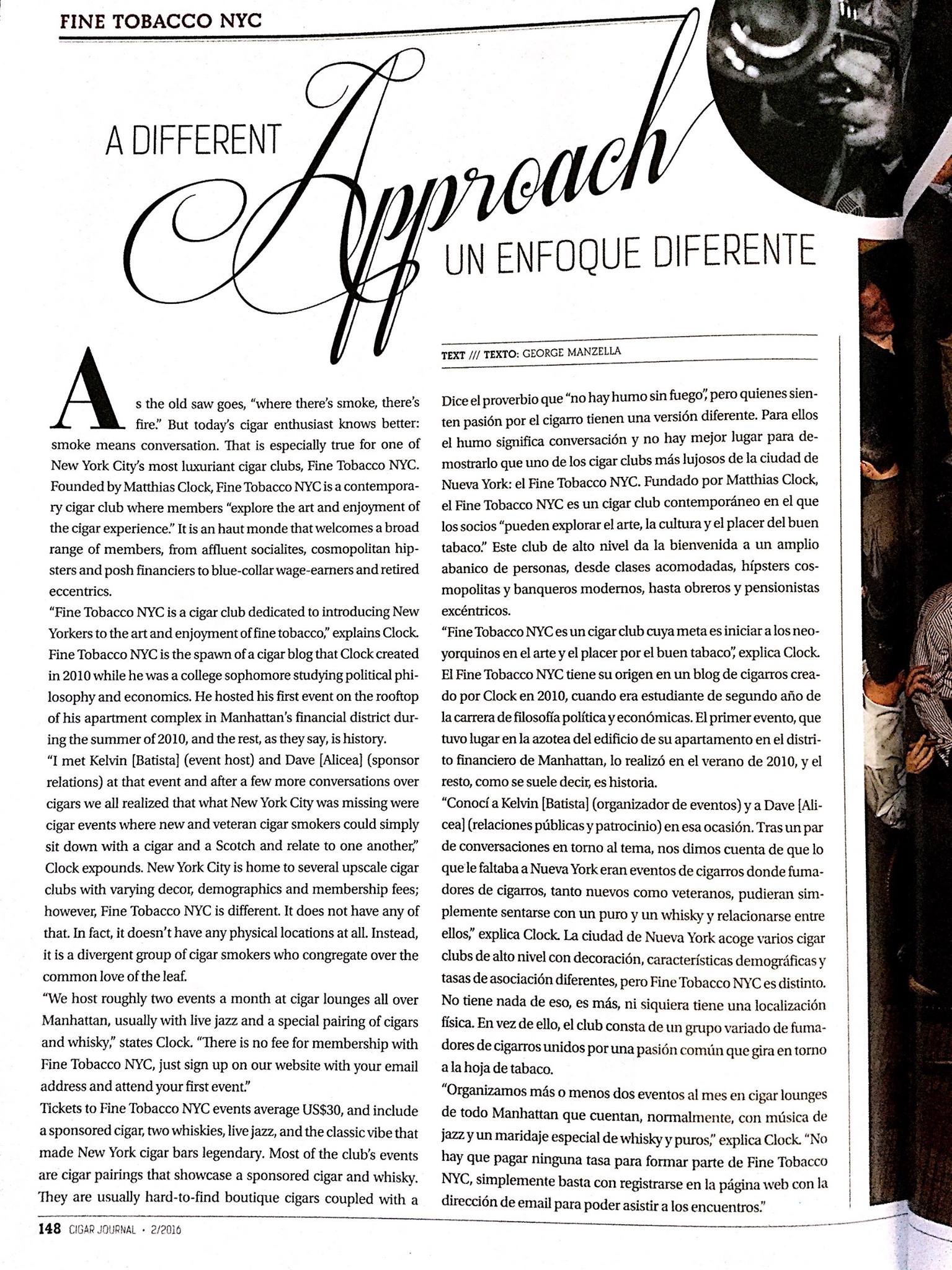
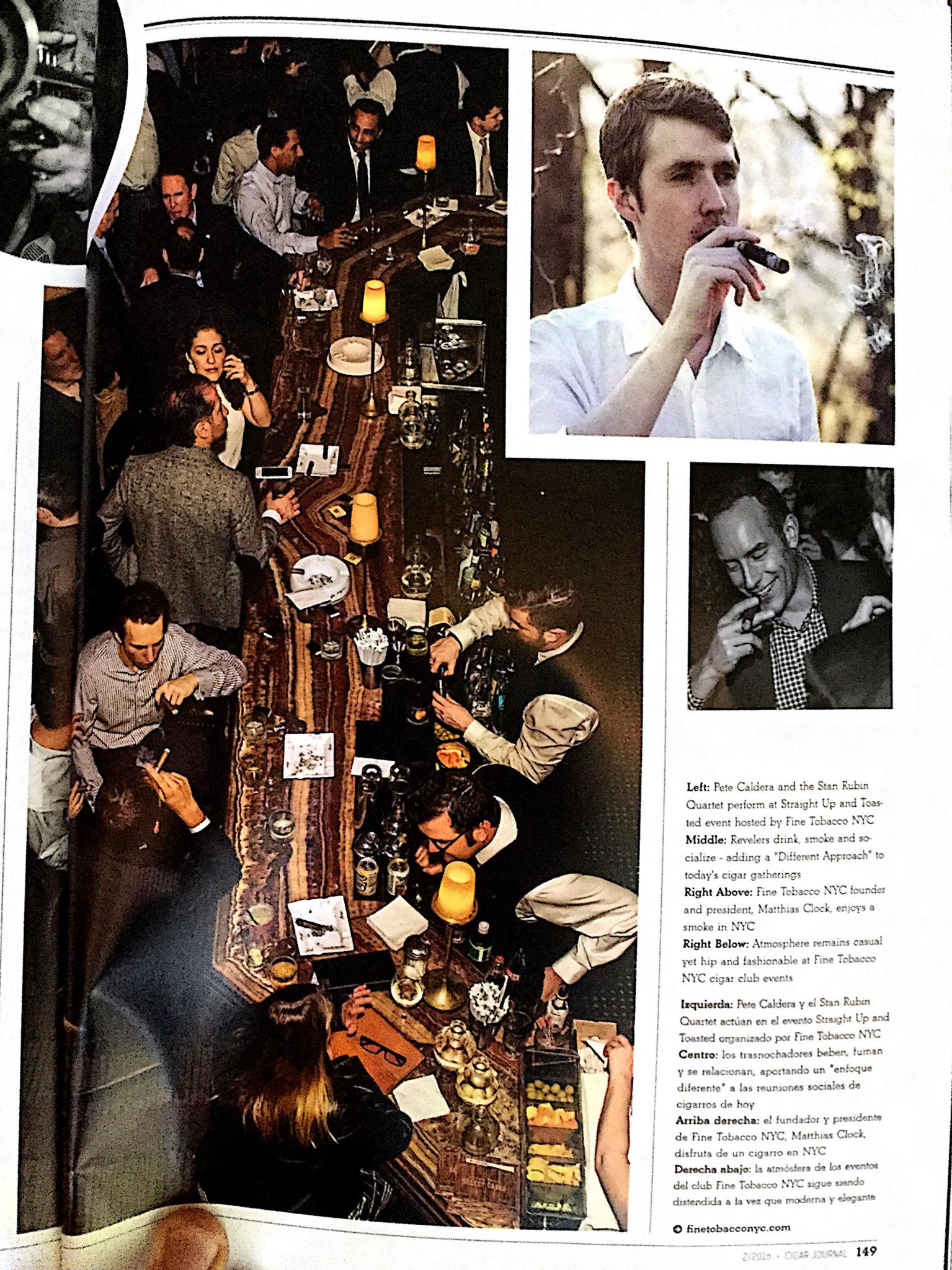
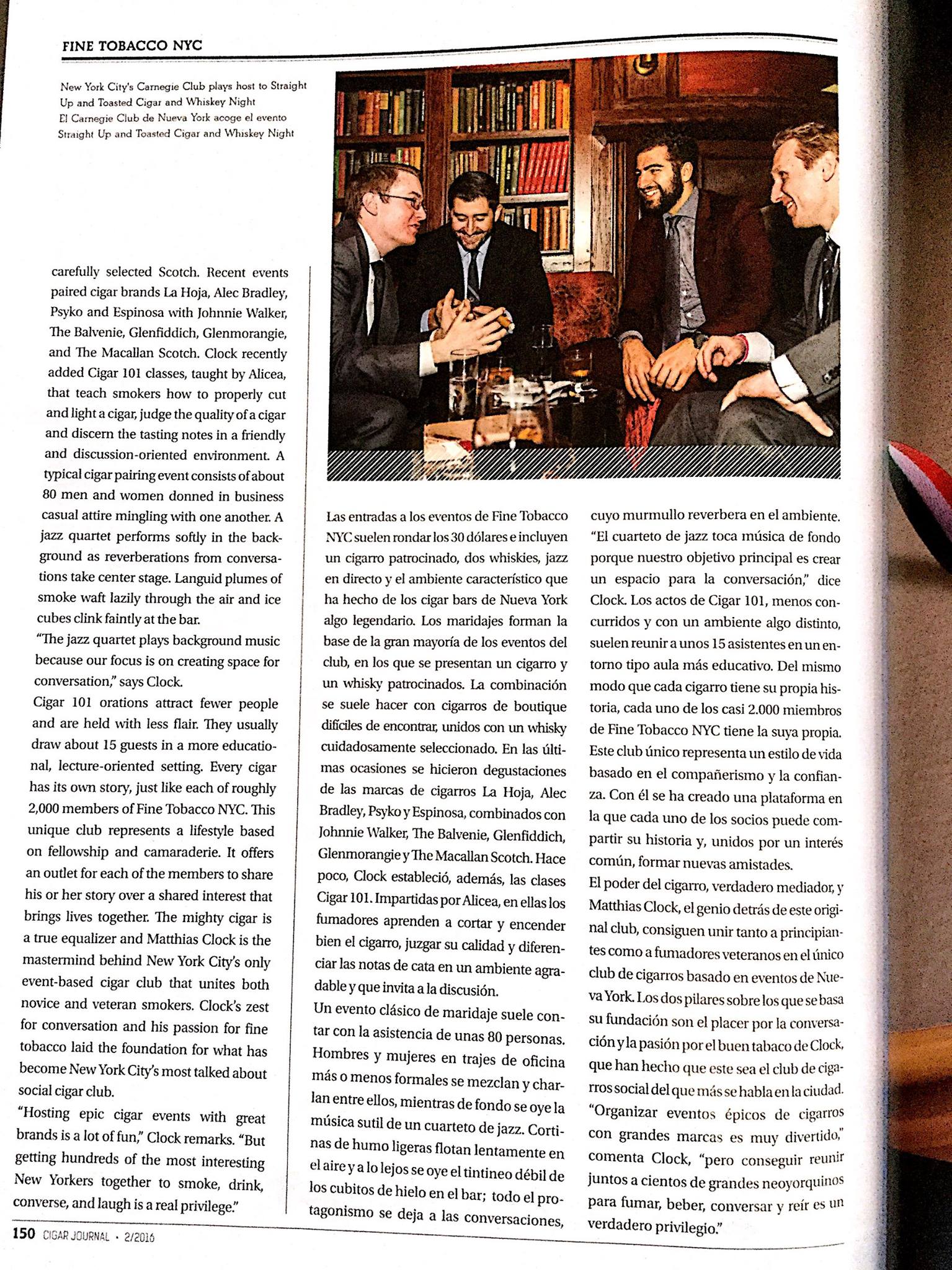
Cigar Journal, an international cigar industry magazine, recently featured Fine Tobacco NYC in their summer 2016 magazine edition. The feature article comes after over five years and more than 80 cigar events all over New York City hosted by Fine Tobacco NYC.
When David, Kelvin and I started holding cigar events at local cigar shops in New York City in 2010, we had one goal: create a space where we could feature the best brands, educate new cigar smokers, and introduce like-minded people to each other to create lasting friendships. Six years and over 2,000 attendees later, we’ve become the largest in-person cigar group in America. We’re proud to be recognized, because it shows just how far the New York City cigar community has come, even in the face of oppressive city, state, and (recently) federal regulations.
We thank Cigar Journal for their coverage of the New York City cigar community! You can read the articles for yourself by purchasing the Summer edition of Cigar Journal, or clicking on the thumbnails below. You can also download a pdf of the article here.
And a special thank you to the New York City and Tri-State cigar community who make their way to our monthly meetups.
Like many whiskey enthusiasts, I am always in search for the perfect value bourbon. My standby, for years now, has been Evan Williams 1783 — and it still is. But last week I dropped by Astor Wines on 4th st and happened upon McAfee’s Old No. 8. For $9, it’s about $11 below what I’m used to paying for 1783, so I figured I’d give it a try.
Specifics
Type: Bourbon Whiskey
Distillery: Buffalo Trace
ABV: 40% (80 proof)
Nose
Can’t say it’s the most interesting nose: fairly typical bourbon notes of caramel, vanilla, and some ethanol.
Flavor
This is where this $9 whiskey is really special. Here’s why: a decent medium bodied texture, remarkably low ethanol burn, and some decent, if mild flavors. Caramel, breadiness, some rye spiciness, and mild fruitiness. The most notable quality about this whiskey is what it lacks: harshness and unenjoyable flavors.
Palate
Fairly short finish here. Some vanilla and light spices. Not much to report.
Conclusion
This is easily one of the best $9 whiskies I’ve ever had. What I love about how this whiskey is put together is how it doesn’t make the mistake that so many others make of getting ambitious and trying to introduce too many flavors without the maturation to back it up. This is not the most interesting whiskey in the world. But for $9, this is a pretty great deal and deserves a shot and for me, a spot on my (admittedly bloated) liquor shelf.
A few weeks after reviewing Burnside Bourbon, I was contacted by representatives of Indio Spirits Distillery in Portland, Oregon and asked if I wanted to review a few of their spirits. I agreed and along in the mail came a few (very beautiful) bottles of whiskey. Three in total, including their American, Rye, and Canadian blend whiskies.
The Bourbon Barreled American Whiskey up for review today is particularly exciting to me because it is a high rye whiskey, double-barreled in used bourbon and sherry barrels. On the website, they claim the whiskey is “barreled and bottled” in Oregon, leaving some speculation open that the whiskey itself is being imported from somewhere else (UPDATE: the corn whiskey is sourced from MGP in Indiana, the rye from Bardstown, KY). In any case, this whiskey also won a “Best American Whiskey” Gold Medal at the 2015 International Whisky Competition.
With the background out of the way, let’s begin the review.
Appearance
I really enjoy the branding and appearance of all of the James Oliver bottles. There’s a real retro feel going on that satisfies my inner hipster (a small, quiet voice, I assure you). The whiskey itself is golden with a slight reddishness (the sherry finish, I assume). For what it’s worth, this bottle looks great on a shelf, moreso if you collect each of the whiskies from this producer. The only thing I’m confused about is “Est. 1931” — an impressive date but seeing as Indio Spirits was founded in 2004, I’m not sure what the reference is to.
Nose
The nose gives away that this is a high-rye whiskey. Spices, some breadiness, oak, and a touch of vanilla. The combined aromas are very pleasant, an added bonus being that there’s very little ethanol burn so I can enjoy the aroma without feeling my nose light on fire.
Taste
To me, this whiskey tastes very much like a high-rye bourbon–it just doesn’t bite like most of the high-rye bourbons out there. The texture of the whiskey is medium bodied, quickly coating my palate. I pick up lots of caramel, rye spices, some vanilla, and a hint of that sherry–very enjoyable.
Finish
The finish here is long and smooth, with just the slightest touch of burn.
Final Thoughts
I give Indio Spirits a lot of credit here for thinking outside of the traditional American whiskey box by double-barreling this whiskey in ex-bourbon and sherry casks. But they didn’t just think outside the box, they also delivered a quality product. I really appreciate how this whiskey packs a lot of flavor into a very smooth dram. It stacks up well against its other ~$30 competitors and it definitely deserves a bottle purchase.
I recently had the privilege of being invited to a component tasting with Michael Herklots at the Nat Sherman Townhouse on Feb 10th. I’m a big fan of cigar education, and I knew that the component tasting would make for a unique educational experience, so I jumped at the opportunity to attend.
I arrived at 7:15pm and made my way down into the Johnson Club Room downstairs, which was already smokey and occupied by around 30 cigar enthusiasts, mainly bloggers and friends of the Nat Sherman brand.
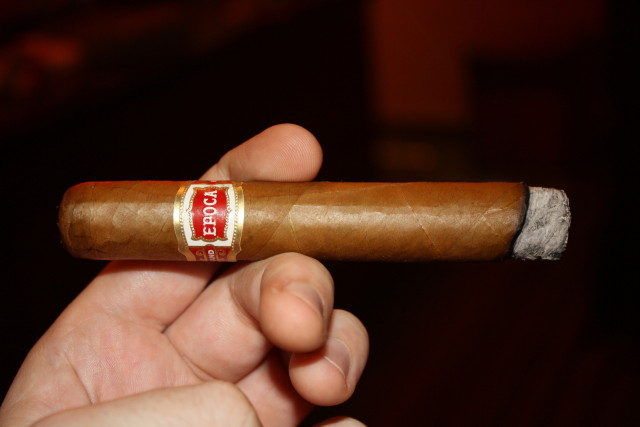
Herklots began the evening with a brief history of Nat Sherman, explaining that “before the brand was a place, and before the place was a man, Nat Sherman.” The first premium cigar sold by Nat Sherman, I was surprised to learn, was Epoca, which was reblended in 2014 to rave reviews.
At this point, Michael started the component tasting, with Nat Sherman staff handing out a short cigar purely made of Dominican Seco, the first component of Epoca. After lighting and comparing notes on flavor, aroma, and palate impact, we moved onto the second leaf, Dominican Ligero, and after that Nicaraguan Ligero. The seco cigar offered light, bready notes with some nuts and a musty aroma. The Dominican ligero (my personal favorite), offered similarly musty notes but with richer notes of spice and leather. The Nicaraguan ligero offered much bigger, richer notes, with a lot more of a kick and pepper notes.
Component 1 – Dominican Seco
Component 2 – Dominican Ligero
Component 3 – Nicaraguan Ligero
All three samples were enjoyable in their own right, but Michael illustrated the difficulty of blending cigars by asking the guests to smoke the first two cigars, then second and third, and finally the first and third at the same time. Each combination was putrid and awful. Then Herklots asked us to smoke all three cigars at once, and that’s where the magic happened: a brief glimpse into the Epoca color palate. The cigars combined to create an experience of flavor and balance reminiscent of Epoca.
The Final Product
Throughout the tasting, Michael did an incredible job describing the intricacies of cigar construction, tasting, and blending. More than that, he did it with a New York charm that warmed the room up and invited guests to stay and smoke after the tasting concluded.
And so the evening was illustrative of the kind of Nat Sherman that Michael Herklots seeks to build: on one hand, an establishment that carries on the traditional feel and overall aesthetic of Nat Sherman. On the other, a fierce commitment to pushing the bounds of the traditional Nat Sherman flavor profile, creating new blends and experiences for the 21st century that are all at once old and new.
A couple of weeks back I stopped by a local liquor store in Astoria and came across Burnside Bourbon. There are lots of new boutique distilleries releasing new products every week, but not many from my home town of Portland, Oregon, so I decided to give it a shot.
And without further ado, here’s the review (that rhymed, right?).
Specifics
Spirit Type: Bourbon Whiskey
Distillery: Eastide Distilling
Age: 4 Years
Proof: 96 proof
Appearance
The first thing that you notice when looking at any bottle of Burnside whiskey is the prominent portrait of none other than General Ambrose Burnside, who (you may have guessed), rocked sideburns so hard that they are named after him. The label on the bottle has a classic shape and a sort of washed out paper character that sings of the Civil War. The color of the spirit is a light amber.
Nose
On the nose I pick up heavy notes of corn, vanilla, and some oakiness, all behind a not so subtle ethanol.
Taste
I like the texture of this whiskey. Medium bodied texture starts smooth, and ends a bit rough — a bit like the Northwest in character if you ask me (though this whiskey might be a bit more on the smooth side). As for notes, I pick up oak, hints of rye, and light vanilla and caramel notes. Not exactly overwhelming on the taste side of things, but enjoyable all the same.
Finish
The finish here is medium length with about an average amount of ethanol burn. Pretty standard for what you’ll get for a $25 bottle of whiskey.
Conclusion
For about $25, this whiskey is worth a shot. It has some nice offerings from a flavor and texture standpoint, but there are dozens of contenders in this same price-point competing for this market.
I came across Jeffers Creek whiskey after I saw it on sale at Gary’s Wine and Marketplace on Route 23 in NJ for $20. I had stayed away from it the last time I visited because it looked clearly like a cheap knockoff of Old Weller Antique wheat whiskey, but I noticed it had a Gary’s “recommendation” this time around so I figured I’d give it a shot.
So let’s get on to the review.
Specifics
Spirit Type: Bourbon
Proof: 80
Bottled by: King’s Mark Company (Louisville, KY)
Appearance
Well let’s start with the obvious: the bottle design is an exact ripoff of Old Weller wheat whiskey. The typeface, label design, shape of the bottle, and even how the top label is centered are all exactly the same. I wouldn’t be incredibly surprised by this if Jeffers Creek was owned by the same company, but nope: different companies (Weller is Buffalo Trace). Wish I could tell you what the rational here is, but I can’t — if you can, please do drop in the comments (UPDATE: Thanks Mark for the heads up – this whiskey is indeed produced by the same company as Weller as identified by the UPC code!).
The color of the whiskey itself is a yellow tinged amber. When I pour the first drops and move it around in my glass, I’m surprised at how the liquid clings to the walls — syrupy, similar to something like a Makers.
Nose
Lots going on in the nose, but the first thing you notice is the burn that stings if you breath in a little too deeply. Hiding behind the intense fumes is oak and caramel.
Taste
Much like the nose, the first thing you’re likely to get with Jeffers Creek is a bit of gasoline. Behind it there are some pleasant notes of caramel, oak, and corn. After that, we get into more trouble when we get to the…
Finish
Long, sweet, and more than a little burn.
Conclusion
This is no Weller. But this also isn’t an awful whiskey. Sure for $20, I’d easily take an Evan Williams 1783 instead. But this isn’t some watered-down distillery backwash either. If you’re feeling conflicted about buying it, toss a coin, or save yourself the $$ and bump your price-range up by $20 the next time you shop for a bottle.
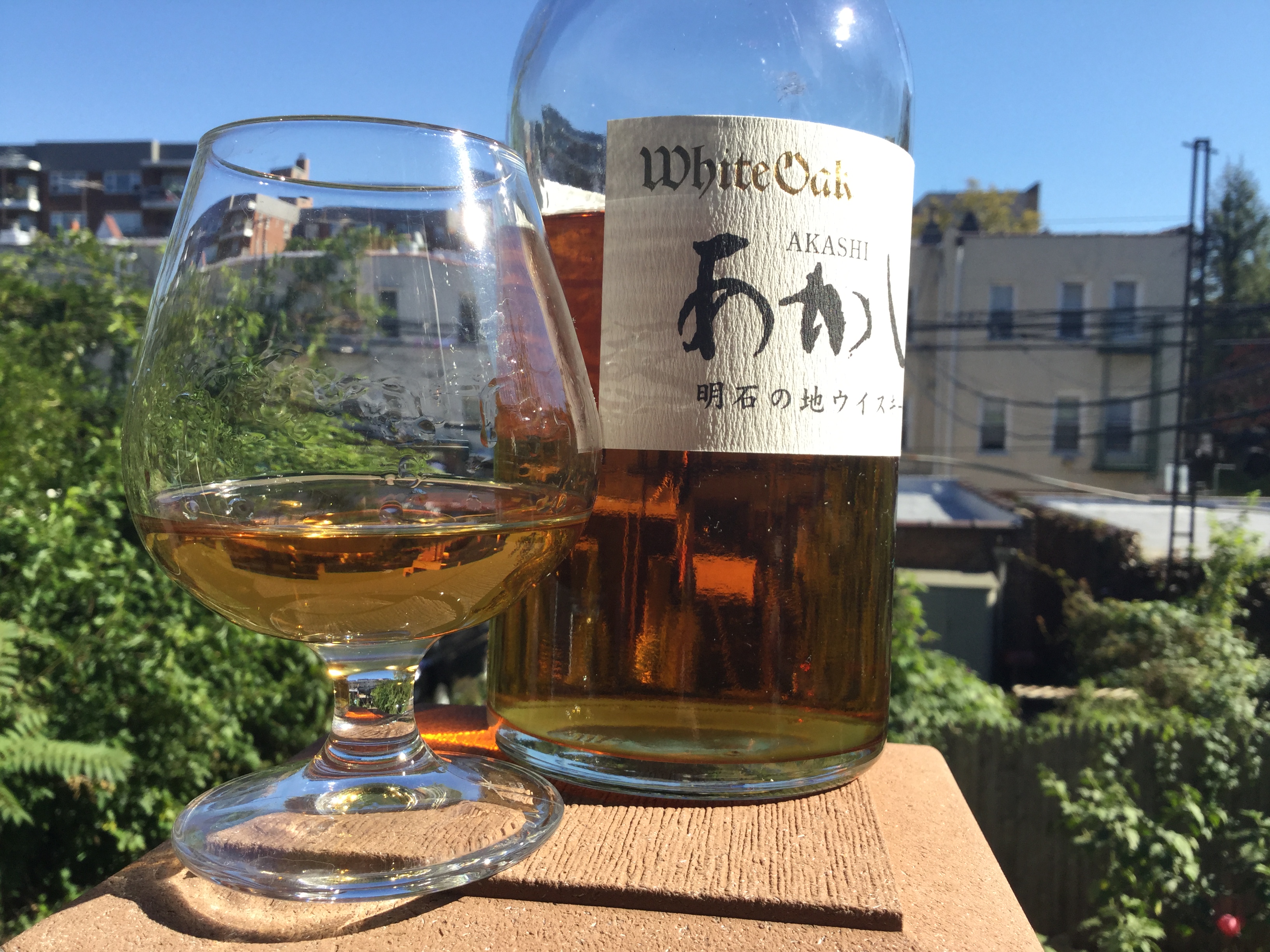
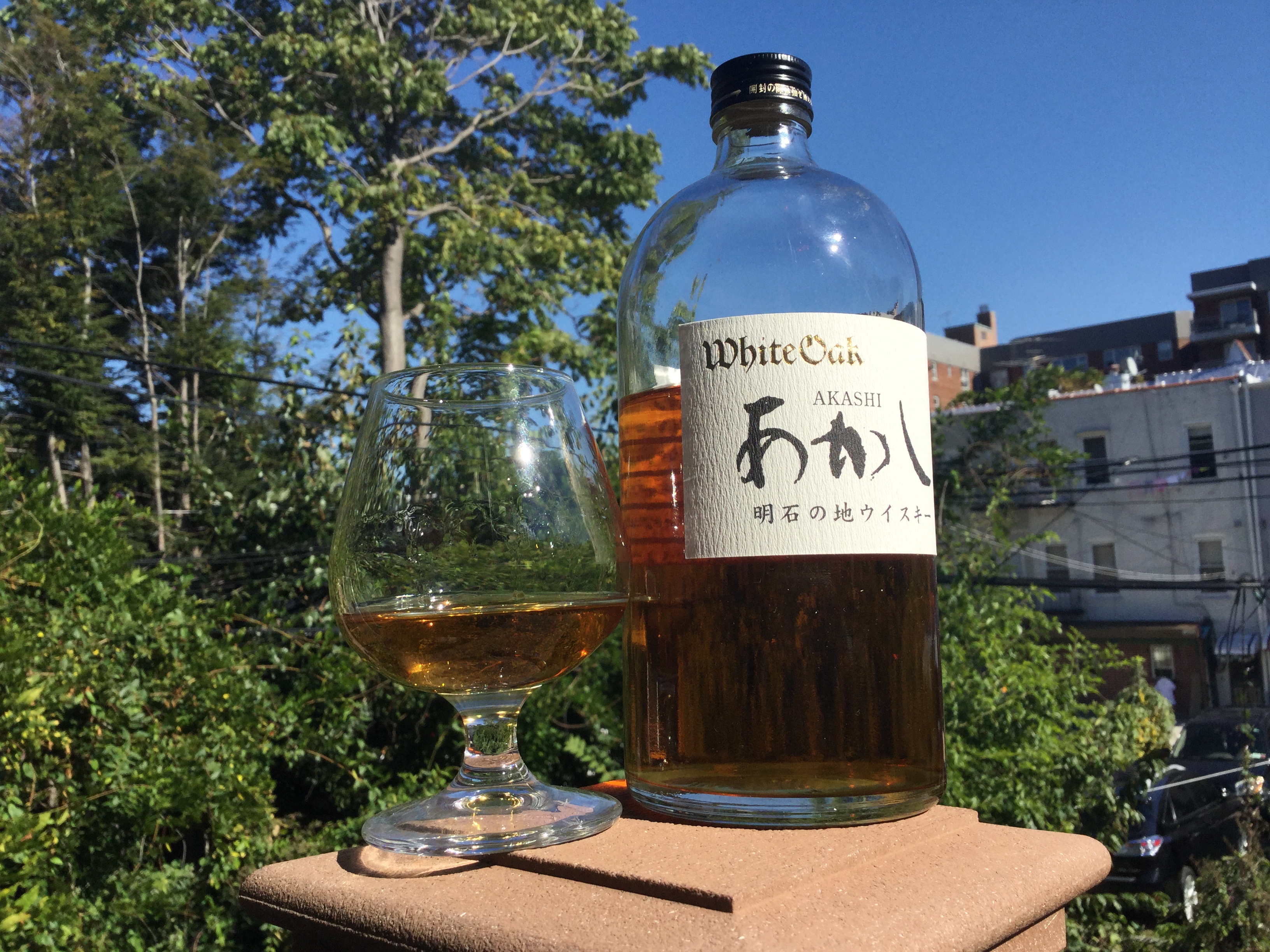
I picked up this bottle of Akashi White Oak at my local liquor store for the simple fact that it is produced in Japan and, well, we all know the Japanese whisky craze going on right now. So at $35/bottle, I thought, why not?
Akashi White Oak whisky is crafted using barley imported from Scotland and pure underground water from the Eigashima Distillery. From there, it is finished in ex-bourbon and ex-sherry casks, which is immediately apparent on the nose and the palate.
Here’s the review.
Spirit details
Proof: 80
Country: Japan
Nose
Slightly aggressive, the scent of this scotch is tantalizing, with orange peel, oak, vanilla, and a touch of spice.
Palate
Akashi White Oak really engages the taste buds with a lot of complexity to a level that is tough to find in a value whisky. This whisky shows its age a bit aggressiveness about halfway through the taste journey, but the finish is malty and long.
Conclusion
Akashi White Oak really is a wonderful whisky to have on hand – great aroma, wonderful flavors, etc. The heat, however, definitely disrupts the experience, which is why I can’t justify a grade higher than B+ (good).
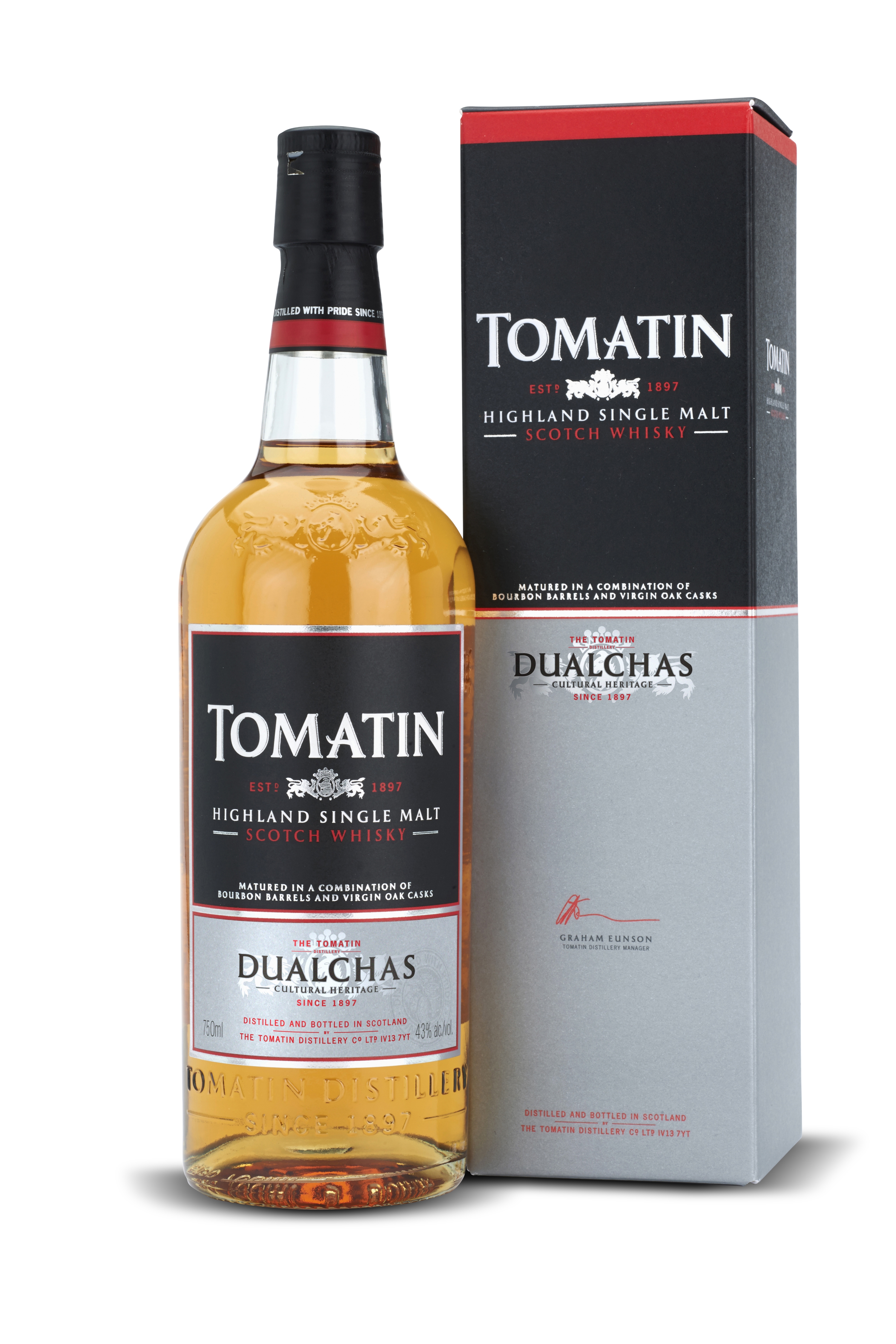
Since the beginning of my journey into the single malt Scotch world in 2013, Tomatin has been a favorite value brand for me. Tomatin Dualchas represents the brand’s first no age statement scotch, and another huge win for the company. At about $30 per bottle, this scotch deserves a spot (or two) on your whisky shelf.
Cask Type: Matured in a combination of Bourbon barrels and Virgin Oak casks Strength: 43% alc./vol.
Nose
The nose is deep, a bit fruity, with touches of vanilla and spice.
Palate
Although this scotch isn’t peaty, it is a bit of a flavor bomb. On one side are the woody notes brought out by aging in ex bourbon and virgin oak casks. On the other are bright citrus notes of lemon and a touch of pine. A really delightful combination.
Finish
The finish for Tomatin Dualchas is simultaneous long and sweet while also being light and refreshing.
Conclusion
As mentioned, this scotch is well worth the price. I’m a huge fan of Tomatin 12, 15 and 18 year (also wonderfully priced), so those could be worth looking in to as well.
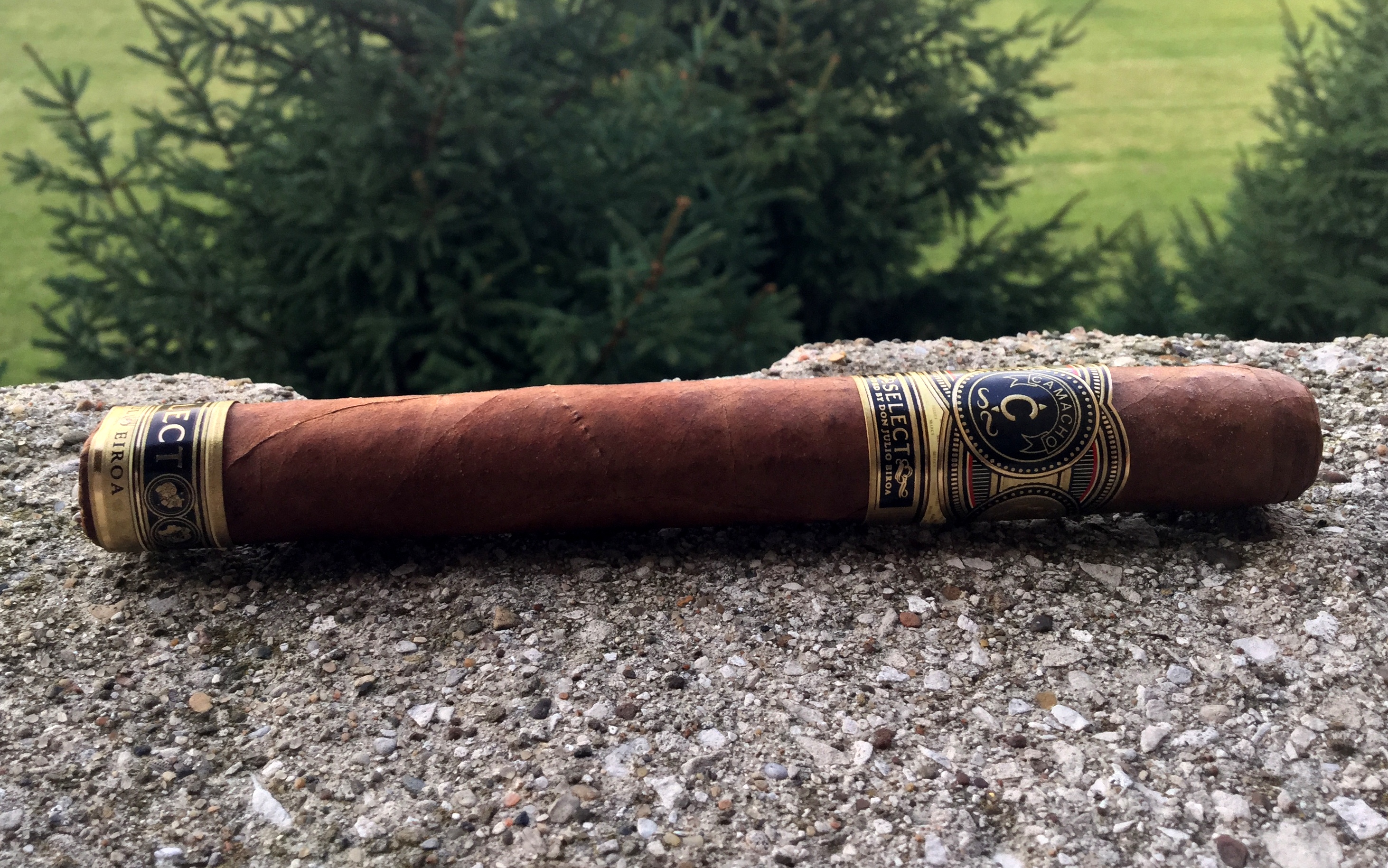
I picked up this Camacho Select at Cigar Cigars in Cleveland, OH while in town visiting. I didn’t have many expectations because I had no intro to this cigar, but wow was I blown away writing this review. Here it is:
Blend Specifics:
Wrapper: Cameroon (Honduras)
Filler: Honduras
Binder: Honduras
Flavor and Smoke Characteristics
The smell off of the foot is a mixture of wood, hay, and nuts — actually very exceptional in that those notes are very distinct and very present at the same time.
When I light this cigar up, I’m greeted by a really wonderful, smooth, mild to medium bodied smoke that has distinct notes of nuts, milk chocolate, farm-fresh cream, and a nice musty backdrop that reminds me of going up into my grandpa’s forgotten attic.
By about an eight of an inch into this smoke, I can already tell I’m smoking something really special. I’m not sure if it’s because this cigar is pre-Davidoff merger and thus has been aging for a few years now or if it is just masterful blending, but most cigar smokers will know the feeling when you first light up a cigar you know you’re going to really enjoy for the next few hours.
By the second third, I’m fighting the urge to close my computer and stop taking notes. One drawback with reviewing cigars is that, if you spend too much time focusing on the notes (yes, it is possible), you can miss the enjoyment of the cigar itself. In this case, I’m deciding to continue writing based on the assumption that I’ll be dropping by my B&M tomorrow and picking up a few more to savor later.
The second third is a glorious mix of wood, buttercream, and milk chocolate. Not much more to say other than the draw is perfect, smoke production is great, and I’m looking forward to the rest of the cigar.
In the final third, it’s a bit more of the same with a few minor additions: some light saltiness, a slightly more bready texture, and of course more of that delightful milk chocolate flavor.
Conclusion
This cigar isn’t in production any longer, but if you get your hands on these, buy at least three. The Camacho Select really showcases what Honduran puros can do: distinct flavor profiles, and nearly always a silky-smooth texture that is hard to find anywhere else.