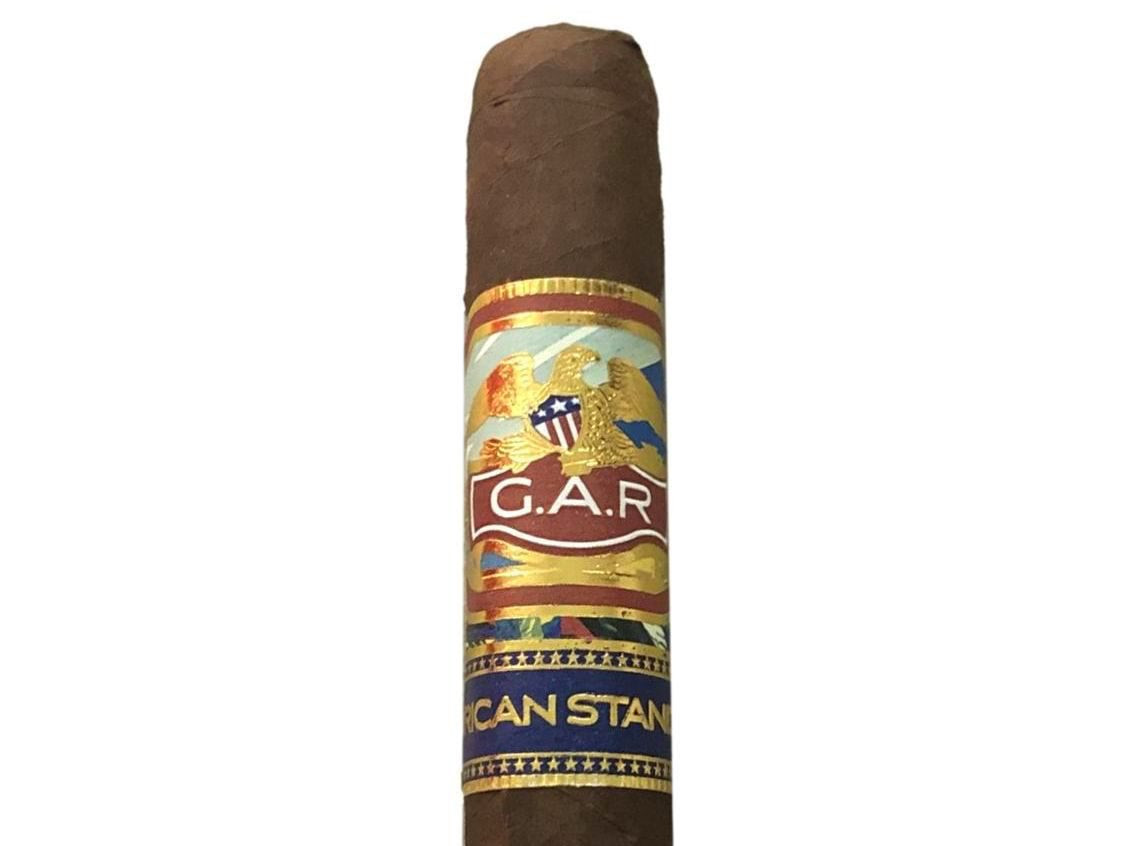
Gran Habano is introducing a new product to their lineup, the G.A.R. American Standard, with an expected release in September 2023. Responding to a market demand for cost-effective options, the company is aiming to provide a balance between affordability and quality with this new release.
The G.A.R. American Standard is a Nicaraguan puro with a medium to full body. The flavor profile features dark chocolate with black pepper notes in the finish, a characteristic attributed to the brand’s creator, George Rico. It represents the company’s attempt to deliver a nuanced cigar experience at a more accessible price point.
The company’s production target for the G.A.R. American Standard is roughly 750,000 cigars annually, equating to about 15,000 boxes of 50. The cigar will be a regular production item.
The G.A.R. American Standard will be offered in multiple sizes:
Robusto 5 x 50 (MSRP $5.50)
Gran Robusto 6 x 54 (MSRP $6.00)
Imperial 6 x 60 (MSRP $6.40)
Czar 6 x 66 (MSRP $6.80)
Grandioso 7 x 70 (MSRP $7.00)
Gran Habano is presenting the G.A.R. American Standard at the 2023 PCA trade show in Las Vegas this week.
For further information about Gran Habano, their website is www.ghcigars.com and they can be reached directly at (305) 436-5960.
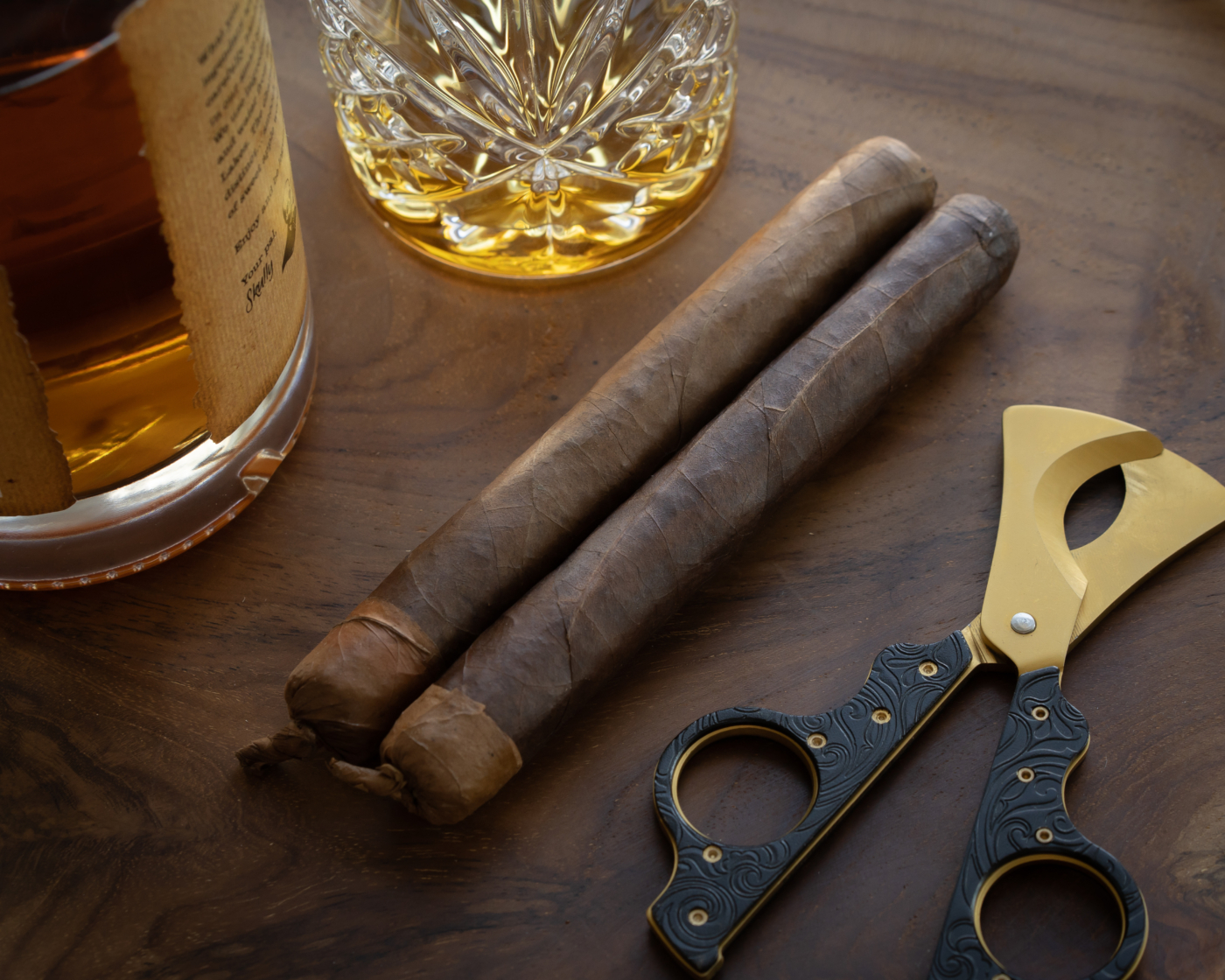
Up for review today is one of the lesser known blends from Gran Habano, the Persian King Maduro. Coming in at roughly $5 per cigar, it’s a fairly economical cigar. Of course, in most cases you get what you pay for, so I’m curious to see how the cigar performs.
Blend Specifics
Cigar Reviewed: Gran Habano Persian King Maduro
Wrapper: Nicaraguan Maduro
Binder: Nicaragua
Filler: Nicaragua / Honduras
Size: 6 x 50
Appearance and Construction
The Gran Habano Persian King Maduro is an unorthodox cigar from a construction standpoint. First, it’s sold without the traditional ornate Gran Habano band. Second, it sports a second, lighter wrapper leaf that makes up its closed foot. On further inspection, the outer sun grown maduro wrapper features two very prominent veins. After cutting the cap with a straight cut, the draw reveals itself to be somewhat loose, about a 5.5/10 in terms of restrictiveness.
Flavor and Smoke Characteristics
Once the closed foot ignites, the Gran Habano Persian King Maduro kicks off with highly concentrated, creamy, medium bodied smoke. The profile is nutty, spicy and creamy, with a core of espresso and highlights of chocolate. Very, very good. Smoke production certainly isn’t an issue with this cigar, and the smoke is nice and cool, if spicy. Overall, it’s an excellent start, and I’m interested to see if the rest of the maduro wrapped cigar will keep my attention.
When the ember burns past the lighter wrapper and into the sun grown maduro, the change of pace is stark. The creamy nuttiness disappears within just a few puffs, replaced by a more classic maduro profile of prominent spice on the tongue with layers of bitter sweet dark chocolate, espresso, some light pepper and charred wood. I’d describe both strength and body as medium plus. The retro on the other hand is a solid medium showcasing red and black pepper.
By the second third, I’m ready for some more change, and the Persian King Maduro delivers. The spice that up to this point hits the palate hard draws back, revealing smoother, sweeter notes of chocolate, toasted bread, and a delightful floral note that I’m not used to experiencing in Nicaraguan cigars. Some nice cinnamon and molasses flavors also make brief appearances, though never coming on strong enough to be primary notes in the broader palette.
In the final third, burn issues start to surface. The burn strays way off, requiring a relight to fix. Flavors though continue to develop nicely, with a mix of savory cooking spices, cinnamon, burnt wood and espresso. It’s a nice way for the cigar to end, but unfortunately the loose draw finally becomes problematic with the smoke production struggling and the heat picking up. It’s a natural place to put the cigar down.
Conclusion
The Persian King Maduro from Gran Habano cigars delivers big on flavor, but has some big trouble with construction in the final third of the cigar. Given that I only smoked one cigar for this review, and knowing that Gran Habano cigars tend to have excellent construction, I’m willing to look past it to a degree.
In either case, the Gran Habano Persian King Maduro is a cigar that I think beginners and enthusiasts alike will love, and at such a great price point it’s an easy cigar to recommend.
George A. Rico of Gran Habano has been blending cigars in his Honduran factory for years using high quality tobacco from a number of countries and developing many unique and stylish blends. His Gran Habano Gran Reserva Corojo No. 5 is rolled in Honduras and uses a Nicaraguan wrapper and binder with a Costa Rican and Nicaraguan filler leaf. The size for this review is the new corona gorda, which I really enjoy as I feel the vitola is excellent to showcase flavors with.
We shall see how this cigar measures up. Enjoy!
Blend Specifics
Cigar Reviewed: Gran Habano Corojo #5 Gran Reserva 2012 Corona Gorda
Wrapper: Nicaragua
Binder: Nicaragua
Filler: Costa Rica & Nicaragua
Size: 5 5/8”x 46
Appearance & Construction
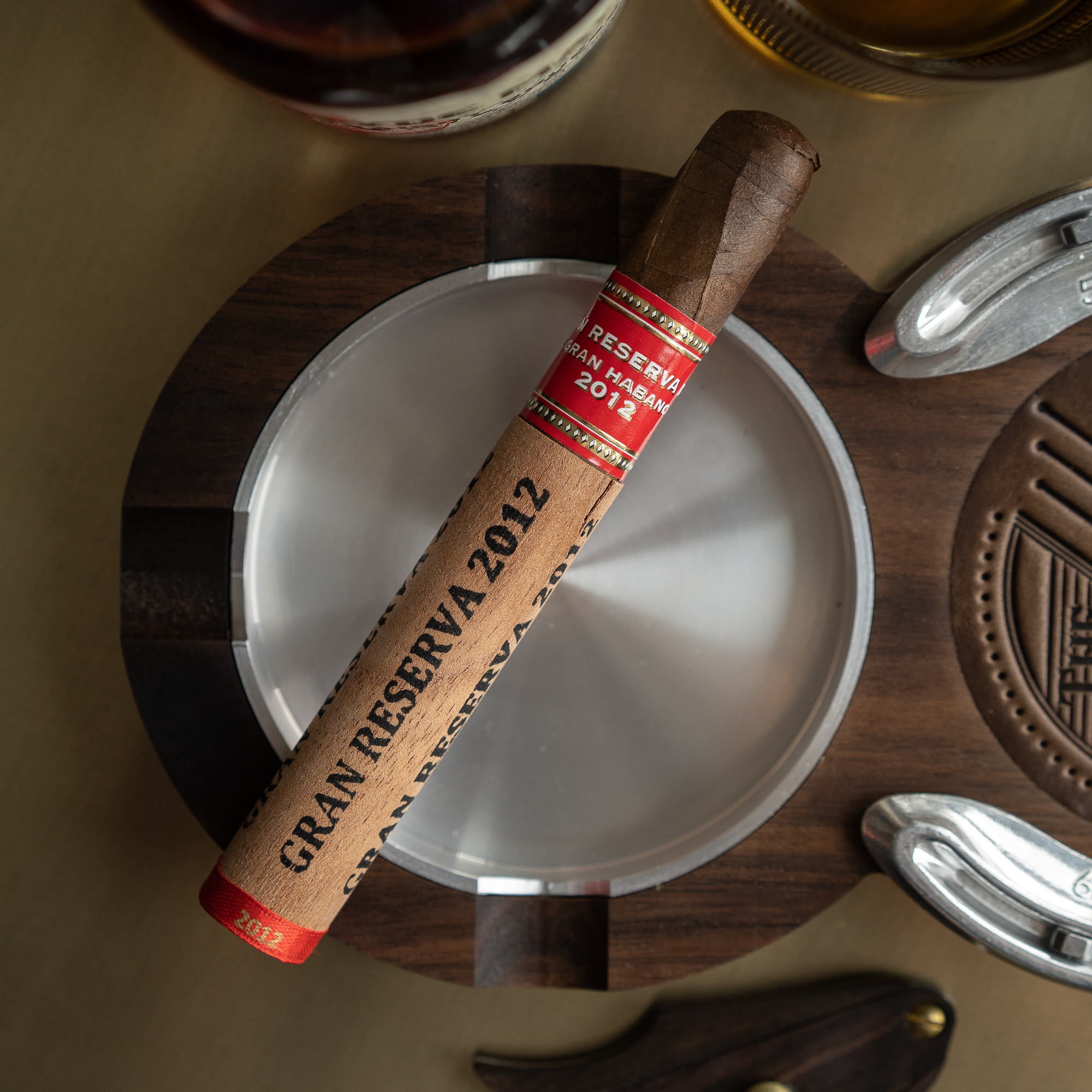
The Gran Habano Corojo #5 Gran Reserva 2012 Corona Gorda has an appealing though not overly creative red and gold embossed band supporting the top and bottom with the words “Gran Reserva” and “Gran Habano 2012” in the middle. The cigar is encased in a cedar sleeve with a secondary band at the foot with “2102” printed on it. Trying to remove the sleeve proves difficult and it seems basically sutured on. I have to tear at the bottom of the secondary band and pull apart the tape attached, then break apart the cedar to undress the cigar. A bit much.
Once removed, I find a semi dark wrapper with minimal veins and an oily sheen to it. There are significant soft spots up and down the cigar to the touch when pressed.
Flavor & Smoke Characteristics
With my Wooly Mammoth Xikar cutter, I make a straight cut to the cap of the cigar. I take a dry draw and the taste of must and oak are prevalent. As I light the Corojo #5, the first few puffs are of maple and oak. The sweetness of the maple and wood notes play well on my palate. There’s a bit of hay on the retrohale with some bitter undertones. As the cigar develops, flavors of graham cracker and cinnamon came on strong, and the cigar is on the mild to medium bodied side.
The Gran Habano #5 develops bitter notes as it reaches the midway point. The ash is gray and flaky, falling apart several times during the smoke. After several more puffs, coconut coats the palate with bing cherry on the finish. The cigar requires a relight upon which oak flavor starts to dominate. I take another retrohale, and cedar and balsa wood resonated in the back of my mouth. The cigar then becomes linear in flavor for the better part of the second half of the smoke.
Gearing up toward its end, the Gran Habano #5’s wood notes give way to a sudden creaminess that becomes almost buttery. This is an overwhelming although not an unpleasant taste profile. Along with cream, a vanilla sweetness creeps up that quickly dissipates to a bitter finish. At this point the Gran Habano goes out and since it’s toward the end the option to relight does not feel necessary.
Conclusion
I’ve smoked a lot of cigars from George, with some really grabbing me with lots of complexity and flavor, and some a bit one dimensional. I would say the Gran Habano Corojo #5 Gran Reserva 2012 Corona Gorda is somewhere in the middle. It started off as a flavorful medium bodied cigar with maple, oak, cinnamon and graham cracker but then the overwhelming wood flavors coupled with some bitterness hurt the experience.
For the most part I enjoyed the taste profile although the cigar could’ve been more balanced for me.
Blue In Green is the latest offering from Gran Habano Cigars. For me, Gran Habano has been a bit hit or miss, though I did very much enjoying the Zulu Zulu White Label earlier this year. But I was a bit surprised when I saw initial announcements for Blue In Green, if only because the name is unique in the cigar world and the packaging looked very interesting. But it wasn’t until very recently that I was able to get my hands on one of these. I’m so glad I was, because as it turns out, this is an excellent Connecticut blend cigar.
Blue In Green is offered in three sizes:
7 x 48 – Churchill
5 x 52 – Robusto
6 x 54 Gran Robusto
Product Specifics
Cigar Reviewed: Gran Habano Blue In Green Gran Robusto
Wrapper: Connecticut
Binder: Nicaragua
Filler: Nicaragua
Size: 6 x 54 Gran Robusto
Appearance and Construction
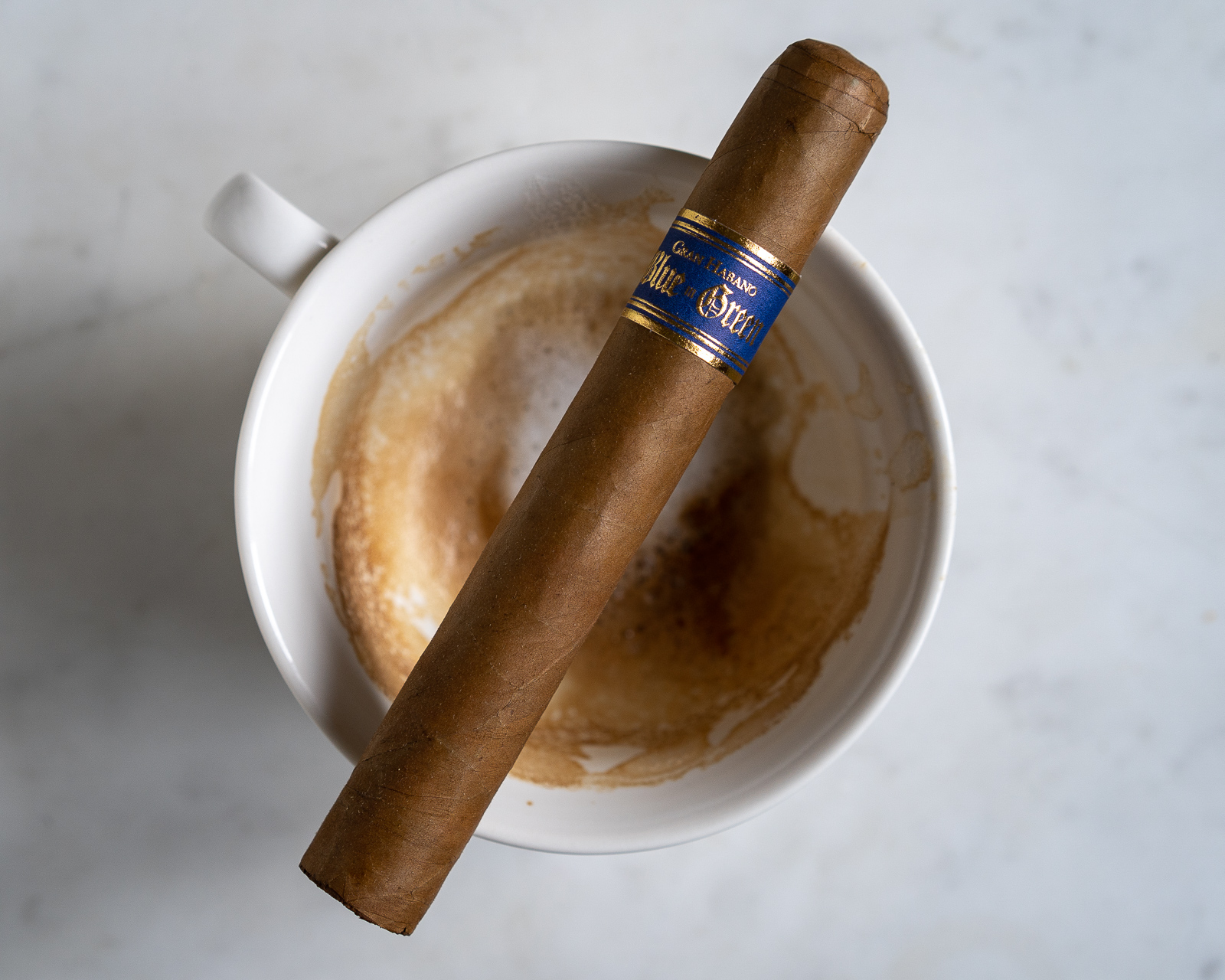
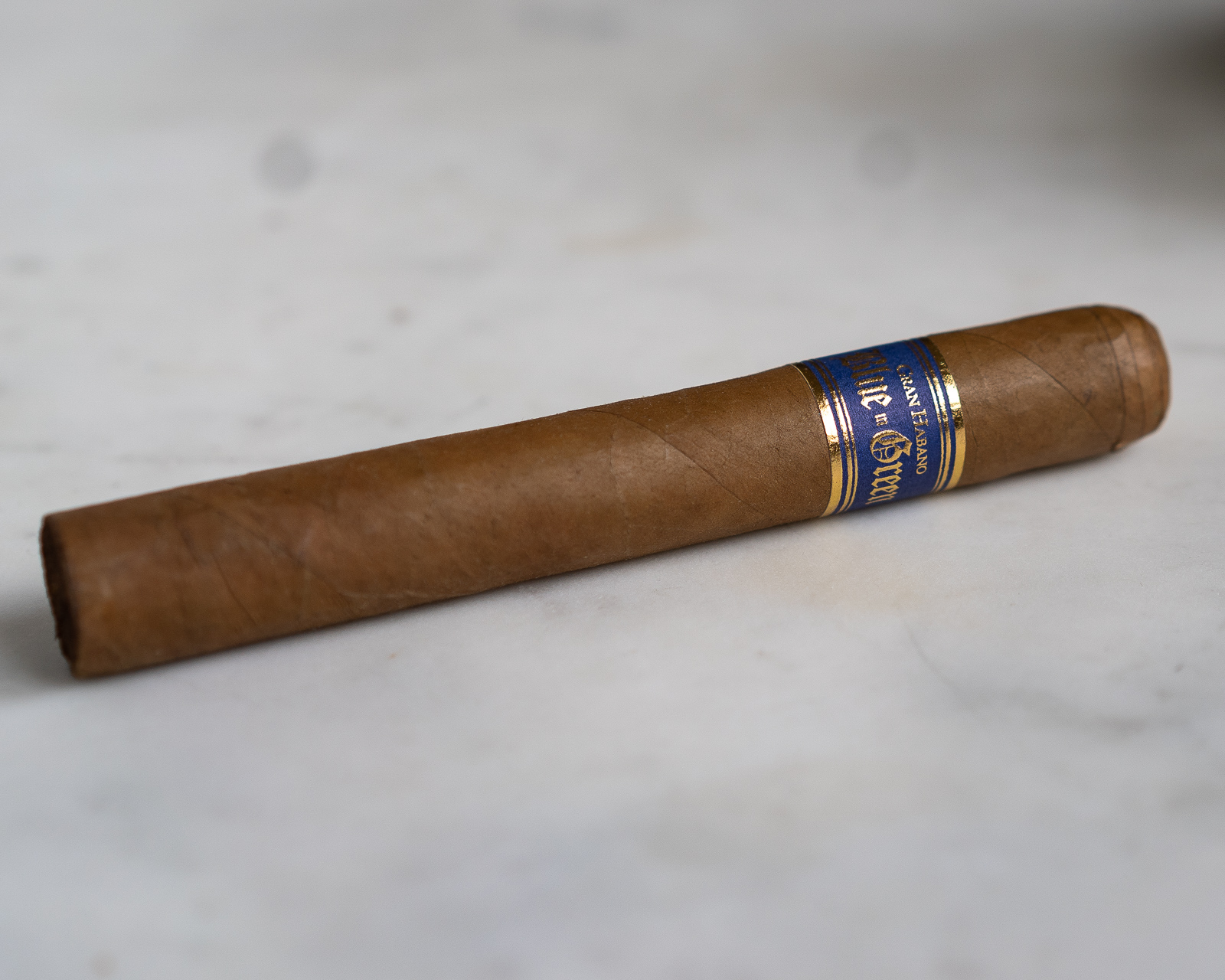
The Gran Habano Blue In Green is a very attractive cigar. It’s clear the company didn’t cut any corners on the blue and gold band. The gold letters are raised very nicely, giving it a regal, festive sort of look. This part is excellent. One issue I do have with the packaging though is the cedar the cigar comes wrapped in (not pictured). The cedar is fine, but the top and bottom are wrapped in a material I can only describe as looking like it was purchased straight from Michael’s or JOANN fabric stores. If this cigar is going to be a regular line for Gran Habano (and it should be, as you’ll read below), they should either drop the upper and lower bands on the cedar, or up the quality in some way.
With that (probably unnecessary) aside out of the way, let’s get back to the cigar. The outer Connecticut wrapper is flawless and has a velvety texture. It’s so smooth, in fact, that I actually had to boost the detail on this photo just to make the texture on the wrapper pop a bit more.
Off of the foot, I can pick up aromas of hay, dried grass, wood, and creamy vanilla. After cutting using a straight cut, the draw proves to be perfect, a 7/10 in terms of the amount of restrictiveness. The cold draw features some grass and wood.
Flavor and Smoke Characteristics
This is where it gets good.
The Gran Habano Blue in Green opens with cool, mild, mostly smooth smoke. Flavors are mostly typical of Connecticut wrapper cigars: wood, hazelnuts, and some cream on the finish. But there’s also a nice, earthy spice that adds some additional complexity. Smoke production is excellent, and the burn is straight from the get go.
As the Blue in Green burns past the first half inch, the flavors begin to really marry nicely. Body, strength, and flavor are at or even below mild, but the overall profile is almost perfectly balanced between sweet, bitter, spicy, and slightly buttery impressions. The flavors slowly shift between lightly toasted bread, gentle woodiness, slight spice and cafe au lait. The retrohale complements the palate, with more toasted bread and some light baking spices. It really is marvelous; balance, complexity, and harmony all at once. Construction throughout the first third is perfect: 100% straight burn, ash holding in over one inch increments.
One note here: it is immediately evident that is important to space your puffs with this cigar. Smoking this like a chimney quickly overheats the smoke, causing the reasonably bitter wood notes to become aggressively bitter, throwing the balance off.
As I smoke past the second third, the strength begins to creep up past the mild mark. Coffee, light black pepper, and baking spices (cinnamon, cloves) take center stage, with toasted bread underneath it all. The burn remains remarkably straight, with a strong salt and pepper ash.
The Gran Habano Blue in Green continues to morph through the halfway mark, with body and strength inching toward medium. Sweet cream, chocolate, fragrant cedar, and an enjoyable apricot note sit harmoniously next to light pepper and spice. The retrohale is still totally mild, and could probably use a bit more personality. Still, an excellent experience overall up to this point.
The final third of the Gran Habano Blue in Green sees a final shift toward more bitterness, with wood, bitter chocolate, and nuttiness in the fore. Lingering spice makes an appearance on the finish as well. Construction remains effortless, with a perfectly straight burn and lots of cool, smooth smoke. An easy end to a fantastic cigar.
Conclusion
The Gran Habano Blue in Green is probably the most satisfying mild to medium bodied cigar I’ve smoked in 2018. It has a great spread of core flavors and aromas, with toasted bread, coffee, and light spices, and the flavor progression never lets up. It also manages to avoid the bitter final third that ruins so many mild Connecticut blends. I could be wrong, but I think the slightly larger-than-normal Gran Robusto format may have tempered the flavors a bit, keeping the smoke mild and gentle. This is the size I’d recommend starting with for this blend.
I can’t wait to smoke this cigar again, and at under $10, I certainly will.
After reviewing the Gran Habano Corojo #5, I must admit I was not all that enthusiastic about reviewing the Connecticut. There’s usually a less-than-fun period of trial and error that every new cigar company and quite a few brand new cigars have to go through before they get their unique quirks resolved. Based (albeit solely) on my first G.R. cigar review, Guillermo Rico’s company seems to be in the thick of that period right now. On the other hand, I know and firmly believe that first impressions are never everything, so I’m accordingly happy to be going toe-to-toe with Mr. Rico’s Connecticut #1!
Product Specifics
Cigar Reviewed: Gran Habano Connecticut #1
Vitola: Gran Robusto
Wrapper: Nicaraguan Connecticut
Binder: Nicaraguan Habano
Filler: Nicaraguan Habano
Size: 6 x 54
Aesthetics Construction, & Feel
The Connecticut presents itself as a kind of sibling to the Habano Corojo #5. It’s body is quite tightly packed with no soft spots and very little flexibility. The wrapper is rugged and veiny, but very well-crafted and free of any breaches. This is especially the case with the cap, which is just as perfect as the Habano Corojo’s; evenly wrapped, with no seam breaches. The Connecticut has a hidden bonus, though; the cold odor is unlike anything I’d experienced up to now; a lovely and subtle sweetness that reminds me of, wait for it, a croissant.
Flavor & Smoke Characteristics
First Third
It quickly becomes apparent that the croissant-esque cold odor wasn’t just a pleasant fluke. The Connecticut #1 makes a smooth entry with a beautiful buttery bread foreground flavor that more than makes up for the predictably tight draw (which thankfully stays out of the flavor’s way). The aroma exuded by the velvety smoke clouds is just as sultry and buttery. The foundation is completed by a deliciously salty retrohale that perfectly complements the bread & butter of the foreground. There’s not much of a background flavor profile, but the foreground’s flavor once again more than makes up for it.
Second Third
The ash begins to split right down the middle at the start of the second third, but the burn holds its ground and stays even throughout. The retrohale also begins to strengthen with the addition of a sweet spice essence, which also provides an enriching contrast to the salt. The foreground’s bread begins to morph about halfway through into a flavor that almost tastes like sourdough, with the butter moving out of the foreground and into the background to provide a contrast similar to the one occurring simultaneously in the retrohale. The morphing of the foreground continues throughout the rest of the second third to the point that the bread tastes slightly immature, but not to the point of spoiling it.
Point of Convergence
The point of convergence is slightly anticlimactic as the foreground flavor’s maturity doesn’t recover to its original glory, instead merely bringing its decent to a halt. As the sweet spice and the salt begin to fight each other for control of the retrohale, the butter in the background begins to slightly reassert itself into the soured foreground, though not quite enough to save it. The pull begins to singe the tongue surprisingly early on, but this discomfort is alleviated somewhat by something every smoker longs to hear; that delicious soft crackling sound as the smoke draws ever nearer towards its inevitable end.
The Final Verdict
Much like its sibling the Habano Corojo #5, the Connecticut #1 displays great potential that has yet to be fully realized. The buttery bread foreground and the salty retrohale in the beginning of the experience made for a flavor profile that was downright heavenly. It also displayed a nice complexity when the buttery bread morphed into sourdough in the middle. Sadly, the middle was the pinnacle of the experience; the final third was a bit of a letdown as the maturity of the tobacco faded and the tongue singe began way too early. Again, however, this stogy has potential. I look forward to reviewing it again sometime in the future.
Up for review today is the Zulu Zulu White by Gran Habano Cigars and master blender George Rico. The Zulu Zulu project itself has been around since 2011, though its branding has been updated considerably in recent years. Both the Zulu Zulu Black and Zulu Zulu White both feature eye-catching primary bands, as well as an outer wrapping featuring custom artwork which I unfortunately didn’t capture on the photos here. For those curious, you can see the artwork here.
With that background out of the way, let’s get on to the review, shall we?
Product Specifics
Cigar Reviewed: Zulu Zulu White Label by Gran Habano
Wrapper: Nicaraguan Habano
Binder: Nicaragua
Filler: Nicaragua
Size: 5.6 x 46
Appearance & Construction
The first thing I notice about this cigar is the the thick, minimalistic white band. Not only is it eye catching, it also lends a sophistication to the cigar that many much gaudier bands don’t. The outer habano wrapper is dark brown and oily, with a few noticeable veins.
When squeezed, both samples for review were quite soft in places, a sign of inconsistent packing. The draw is mostly loose, about a 5/10 in terms of restrictiveness. A whiff off the foot reveals hints of spice and earth, with the pre light draw delivering distinct spice, earth, and sweet woodsy notes.
Flavor and Smoke Characteristics
After toasting the foot, the Zulu Zulu White opens with rich, spicy, medium bodied smoke. The texture of the smoke has a nice cream element that comes across as almost chewy. Flavors in the first third include creamy chocolate, barbecue sauce, leather, roasted almonds (some vanilla there too), and spice on the palate and on the retrohale.
Smoke production is really fantastic. Not having to fight just to produce enough smoke is a great start for any cigar.
Overall, the first third very enjoyable and unique, and the cigar manages to be fairly full in flavor while also being extremely aromatic on the nose.
Heading into the second third is where some construction issues start to become apparent. The cigar begins burning much too quickly while not producing much smoke, and its clear that there’s a decent sized tunnel somewhere in the bunched filler tobacco. At the same time, the wrapper has begun burning unevenly, causing a couple of quick touch ups to be needed.
From a flavor standpoint, the profile is mostly unchanged though the spice present has taken on a cinnamon like character which pairs nicely with the creamy vanilla note. The leather as well has shifted to a slightly drier cedar note.
Into the final third, the flavor profile takes on a bit more spice and falls somewhere between medium and full. At the same time, likely because of the construction issues, the smoke heats up considerably and I’m forced to put the cigar down before I’d typically like to.
Conclusion
All things considered, the Zulu Zulu White is a unique and enjoyable smoke. While not the most complex cigar, it puts forth a flavor profile that I found very enjoyable and in some cases surprising. Unfortunately, both samples had construction problems that substantially altered the experience, which knocks a few points off of what otherwise is an exceptional cigar.
Up for review today is the Gran Habano La Conquista La Nina, a cigar that’s probably most notable for the detailed artwork adorning its primary band. After sitting in my humidor for about six months, the time seemed right to pull it out for an early afternoon smoke. What I didn’t realize before getting settled to write the review is that I’d be smoking a cigar with a profile perfectly suited for an early-afternoon smoke.
Product Specifics
Cigar Reviewed: Gran Habano La Conquista La Nina robusto
Wrapper: Nicaraguan Corojo
Binder: Nicaraguan Corojo
Filler: Columbia, Costa Rica, Nicaragua
Size: Robust (5 x 52)
Appearance & Construction
The outer Corojo wrapper on the La Conquista is light leather brown, with a few significant veins and smooth texture. The band is large and ornate, with a scene depicting what looks to be a soldier or king with subjects bowing to him. From an artistic standpoint, especially compared to most other art-focused bands, this band is quite good.
As for the cigar,off the foot is I pick up notes of old cedar planks and some earth, while the pre light draw reveals some mild natural tobacco sweetness. The draw sits right in between slightly too loose and slightly too restrictive. That is to say, it’s perfect!
Flavor and Smoke Characteristics
The La Conquista La Nina opens with some wood, spice, charred meat and gentle sweetness. On the finish is a wood pulp note that slightly bitter and none too enjoyable. Smoke production though is excellent, and the character of the smoke is that it is light (definitely mild bodied) but nicely textured. This makes it a great candidate for pairing with a cup of coffee or espresso early in the afternoon.
As the ember hits the second third, the smoke shifts and takes on a character that I find very attractive. The texture of the smoke is extremely fine, and the flavor profile has shifted to become sweeter and more elegant. Flavors and aromas mix together creating impressions of snickerdoodle cookies, light woodiness, and floral notes. The retrohale balances the mildness out with just the right amount of white pepper. The fact that this cigar does this while remaining so mild is impressive.
This profile doesn’t stay too consistent as it fades in and out with the intervals presenting a more generic profile of wood, pepper, and natural tobacco flavors. A bit disappointing, but still enjoyable.
Into the final third, the La Conquista recovers and settles on a profile of light woodiness, floral, fresh cookies, albeit without the spice on the retrohale to balance the profile out. Still, a great profile and a nice end to the cigar.
From a construction standpoint, the burn did become wavy at times, but always corrected itself and never required touch ups.
Conclusion
La Conquista by Gran Habano Cigars is a winner in my book. It’s not a cigar that will be enjoyed if you’re looking for a full bodied smoke, but as an early afternoon cigar it offers a lot of flavor with great complementarity. And though it had a few unenjoyable moments, the positive elements outweighed those moments by a long shot.
I recommend giving the La Conquista a try and potentially stocking up.
I’m a sucker for the nobly grandiose, so when you hand a me cigar I’ve never heard of that sports a vibrant label with aristocratic calligraphy and golden edges, you can rest assured that I’ll be happy to give it a shot. Gran Habano is the brain child of third-generation tobacconist Guillermo Rico. The idea behind this Honduras-based company is to offer quality cigars made the old fashioned way at an affordable price.
It’s a noble venture, and I look forward to seeing how the cigars hold up to the mission!
Product Specifics
Cigar Reviewed: Gran Habano Corojo #5 Habano Robusto
Vitola: Robusto
Wrapper: Nicaraguan Corojo
Binder: Nicaraguan Habano
Filler: Nicaraguan/Costa Rican Habano Long Filler
Length: 6 Inches
Ring Gauge: 54
Aesthetics Construction, & Feel
This Gran Habano Corojo #5 could be in better shape. Part of the veiny and rugged wrapper that was chipped off in the midsection somewhere along the way, and the body is packed quite tightly, almost to the point of being downright brittle. On the bright side, however, the cap is in perfect condition: no openings, no unraveling, just an excellent garnish with the seams perfectly sealed and stacked on top of each other like the rings of a tree trunk. The foot sports a cold odor of faint pepper, as does the wrapper.
Flavor & Smoke Characteristics
First Third
Despite the extra tightness of the body, the draw is borderline perfect, although this might have something to do with the whole in the midsection of the wrapper, which takes a lot of air out of the body and accordingly obscures the flavor. The flavor itself (when I can taste it) is a pleasant, though slightly immature, with a sourdough bread note in the foreground and some salt in the background. The retrohale initially has no flavor whatsoever. The smoke clouds, though are just the way I like ’em; thick and aromatic. The burn is also quite even, which mediates the wrapper dilemma.
Second Third
Things thankfully start to pick up as the wrapper hole in the midsection of the body is slowly eaten up by the burn, which is still even at this point. The flavor profile begins to change and expand as the foreground’s flavor gets incrementally more woody and musky as the second third progresses. The background of the flavor still has its salt, but it is eventually joined by the pepper that was hinted at in the cold odors before lighting up. The draw remains surprisingly smooth, even after the wrapper hole is eaten up.
Point of Convergence
The foreground once again morphs, with the musky wood in the foreground being joined by a pleasant meaty essence. The background salt and pepper provide a perfect supplement to this combination in the foreground. The retrohale begins to get some flavor as well, receiving some of the pepper that came into the background. The two eventually merge, but before they do, the wood becomes bitter, and the draw begins to singe the tongue as the nub is approached. When they do eventually merge, however, the singed tongue is ultimately worth it for the sultry flavor combination.
Conclusion
Not unlike the Archetype Initiation I reviewed some time ago, this cigar has great potential, but it’s got a bit of a ways to go. The craftsmanship is there, without a doubt. That pesky hole in the wrapper was the only real flaw in an otherwise flawless design; probably the result of bad handling before it found its way to me. The #5 has a robust flavor profile, there just isn’t enough of it. The Grand Habano Corojo is not by my favorite thing by a long shot, and not something I’d recommend. However, if Mr. Rico keeps at it, then in a few years, I’m entirely confident that he’ll have me eating my words.